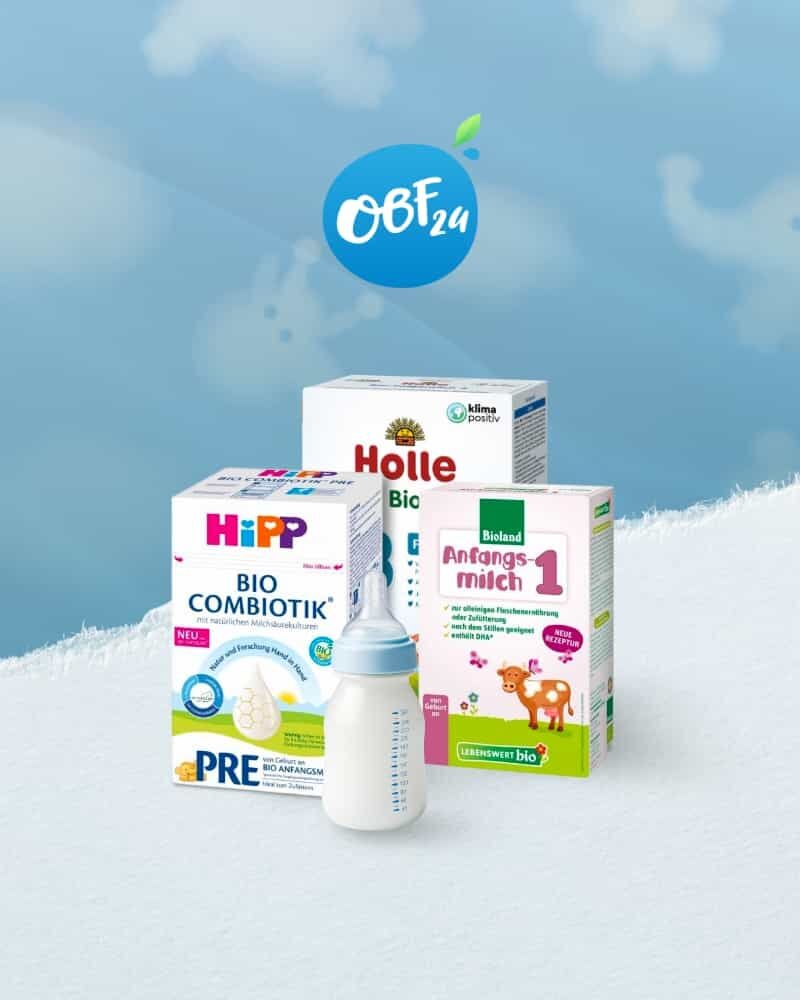
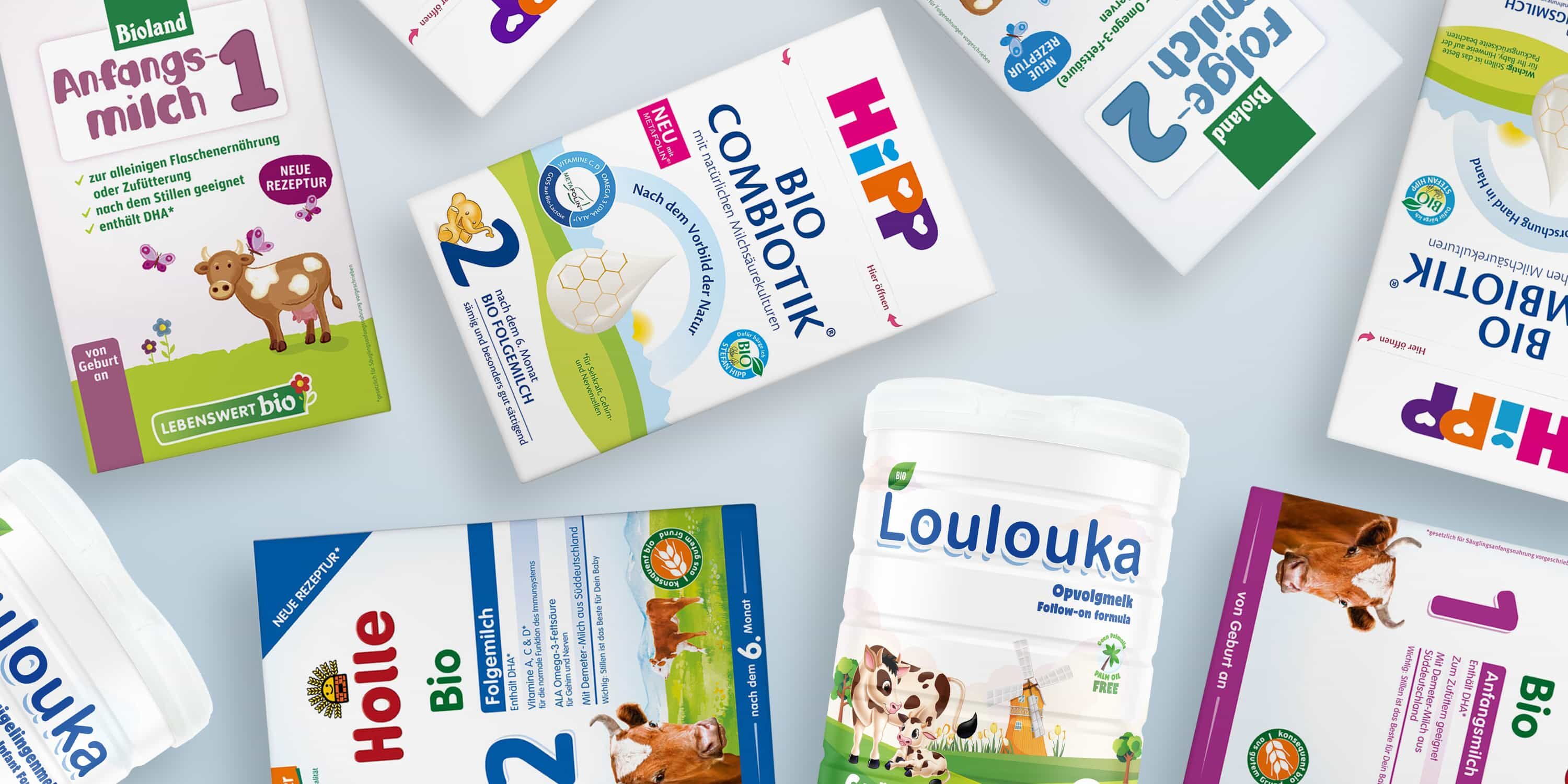
Discover the excellence of European organic baby formula with OBF24! Parents globally are realizing that the pinnacle of infant nutrition can be found in European brands such as Holle, HiPP, and Lebenswert. Experience the unmatched purity and remarkable taste that sets these formulas apart, becoming an instant favorite for both babies and parents.
Trust in the stringent organic standards that govern every aspect, from farming to processing and labeling, offering an unparalleled level of assurance for your baby's nutritional needs. Find the right formula for your little one below and start feeding the best formula available for a healthy, happy baby.
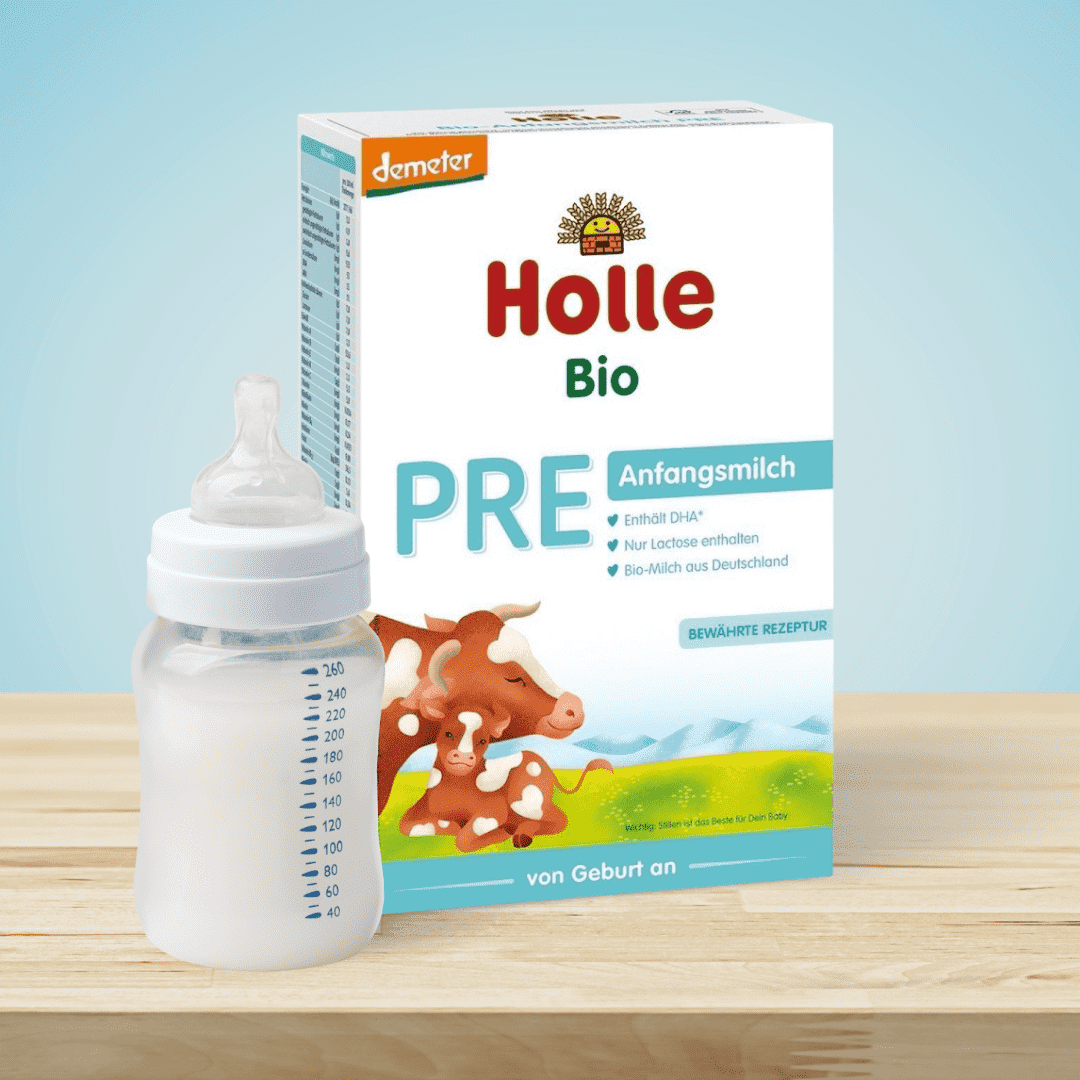
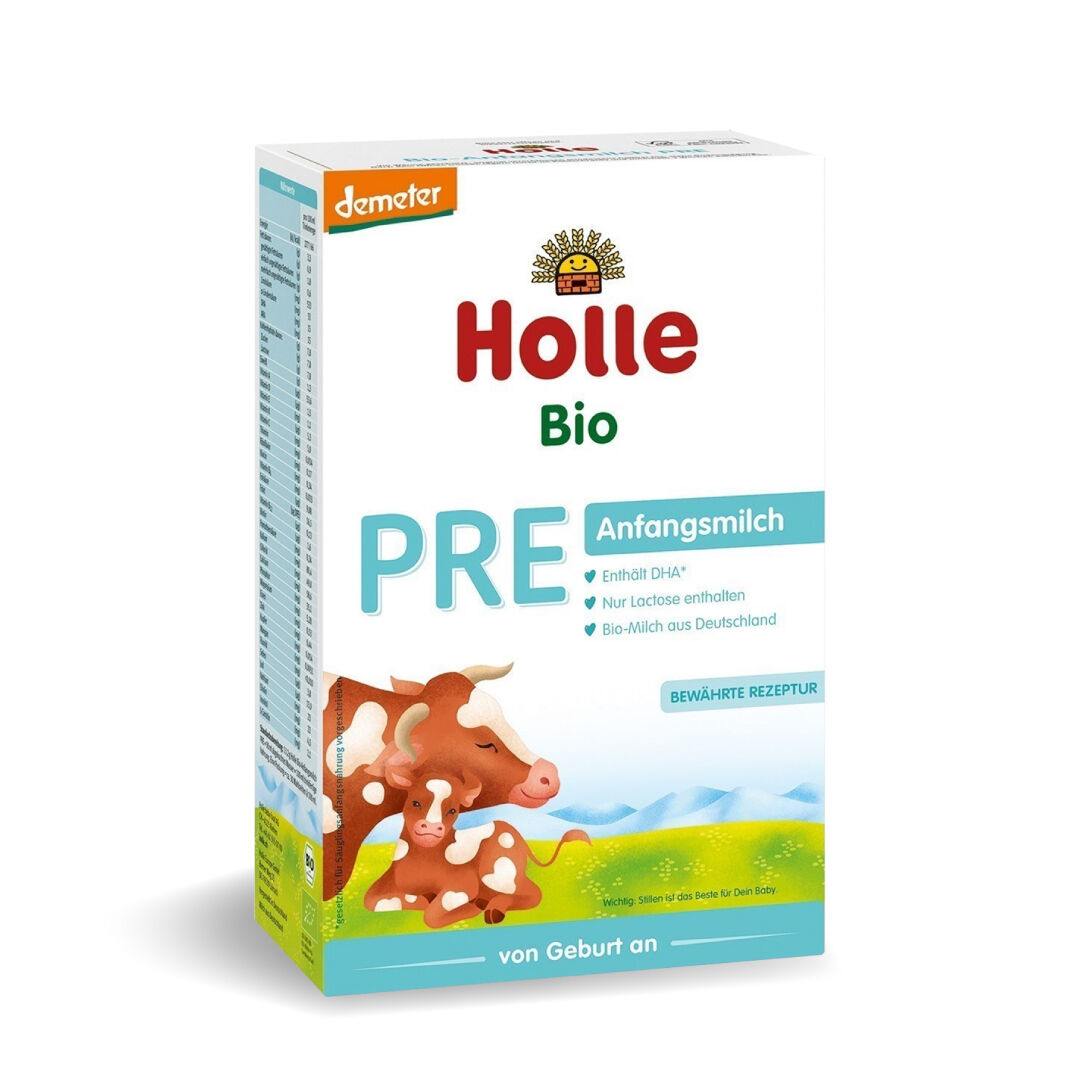
Holle PRE is a certified organic baby formula that gives your baby the nutrients they need without artificial preservatives or chemicals. A filling formula from one of the world’s most respected Demeter-certified organic brands. It’s safe, nutritious and full of brain-healthy fatty acids DHA and ARA. What more could a growing baby ask for?
"Holle PRE worked wonders for my little one. No more constipation and gassiness that he was getting from other formula."
Alia Riaz - Holle PRE customer
Made with slow-digesting, bioavailable carbs to keep your baby satisfied longer
Formulated after real breast milk for easy absorption
Non-GMO, gluten-free, hormone-free and antibiotic-free with zero added sugars, artificial preservatives, chemicals, flavors or colorings
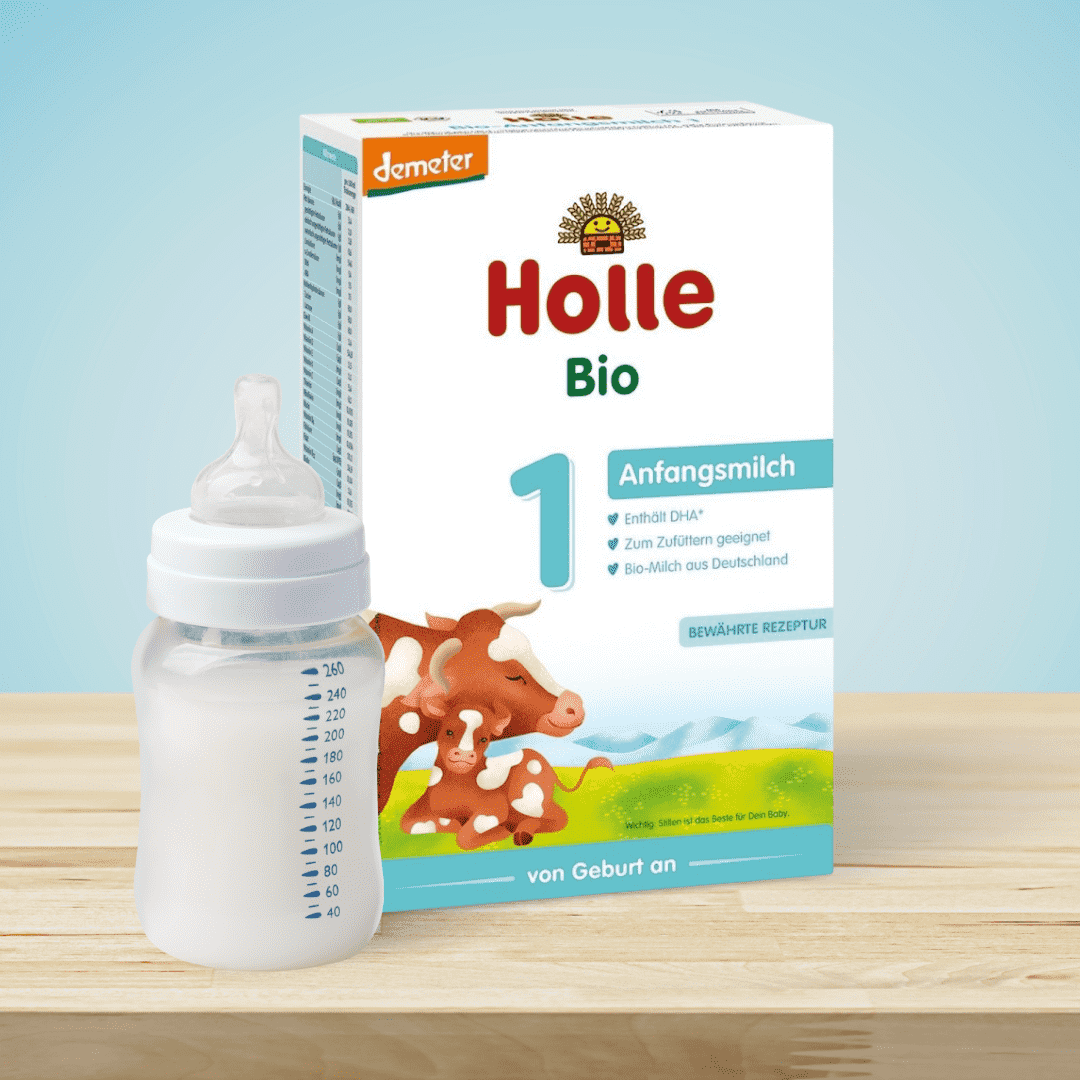
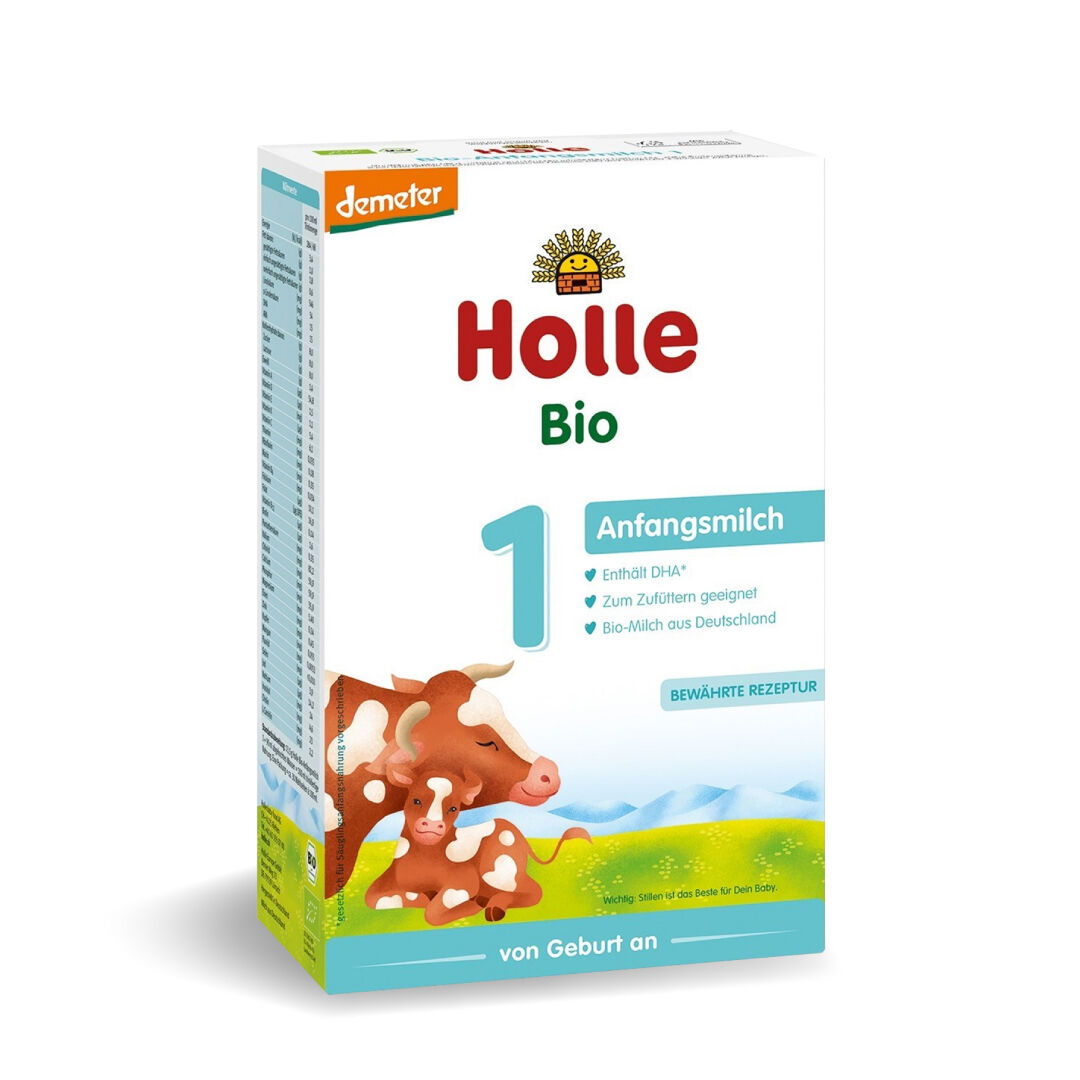
Holle Stage 1 is a top-quality organic infant formula that provides your baby the nutrients they need without artificial preservatives or chemicals. A creamy, filling formula from one of the world’s most respected Demeter-certified organic brands. It’s safe, nutritious and full of brain-healthy fatty acids DHA and ARA. What more could a growing baby ask for?
"My daughter responded very well to the Holle formula and I love seeing the satisfaction on her face during and after feeding. The taste is much better than a previous formula she was on and we had zero tummy problems."
Dorene Asare-Marfo - Holle Stage 1 customer
Made with slow-digesting, bioavailable carbs to keep your baby satisfied longer
Formulated after real breast milk for easy absorption
Non-GMO, gluten-free, hormone-free and antibiotic-free with zero added sugars, artificial preservatives, chemicals, flavors or colorings
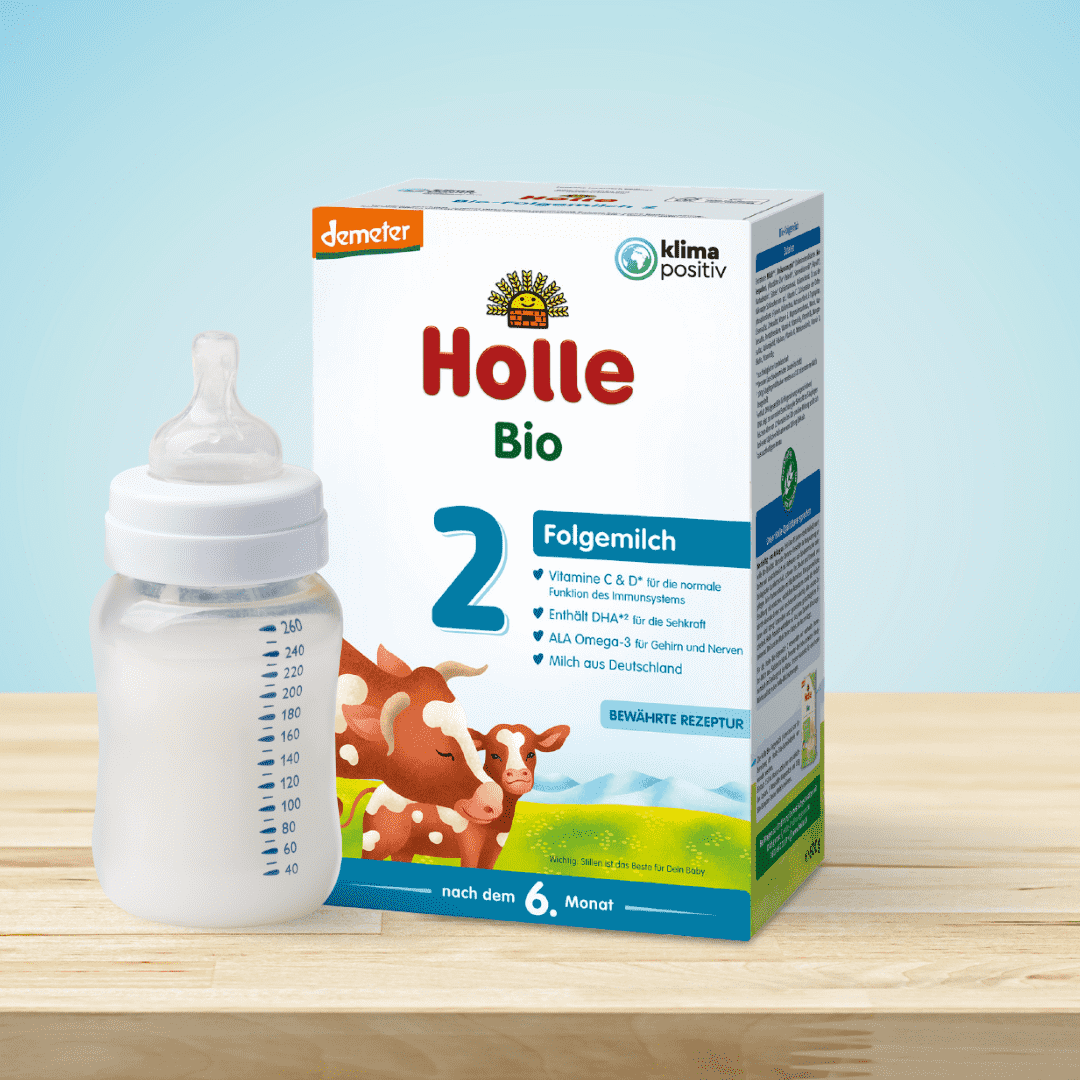
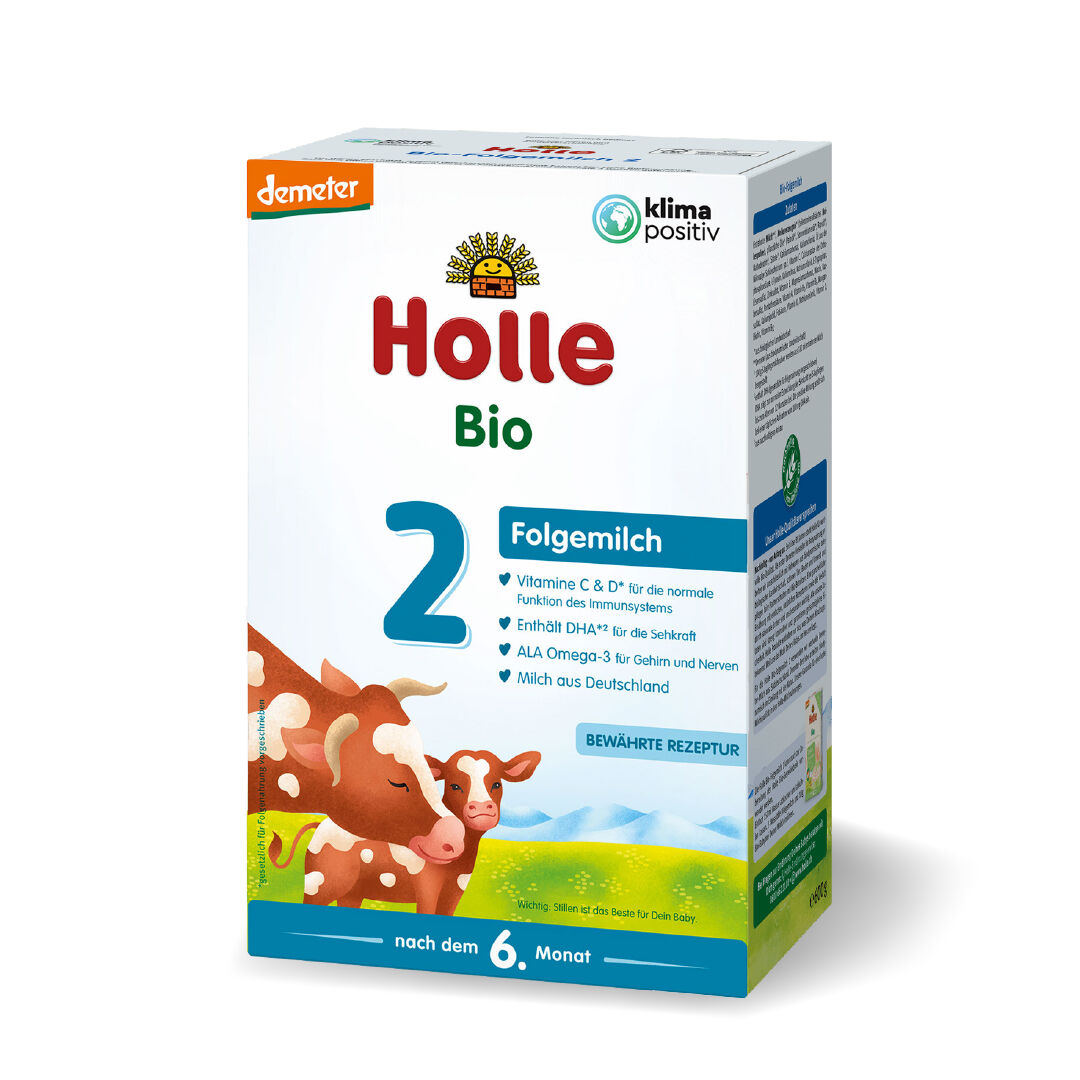
Holle Organic Stage 2 is a popular organic baby formula for 6+ month infants. It offers the nutrients they need without artificial preservatives or chemicals. A creamy, filling formula from one of the world’s most respected Demeter-certified organic brands. It’s safe, nutritious and full of brain-healthy fatty acids DHA and ARA. What more could a growing baby ask for?
"A formula that makes both mommy and baby happy. Best ingredients! Mixes so well, no bubbles like other formulas that cause baby gas. My little one loves this formula and I recommend to all my mommy friends!"
Leya Melnyk - Holle stage 2 customer
Non-GMO, gluten-free, hormone-free and antibiotic-free with zero added sugars, artificial preservatives, chemicals, flavors or colorings
Made with slow-digesting, bioavailable carbs to keep your baby satisfied longer
Made from organic skim milk from German farms that meet highest European organic standards
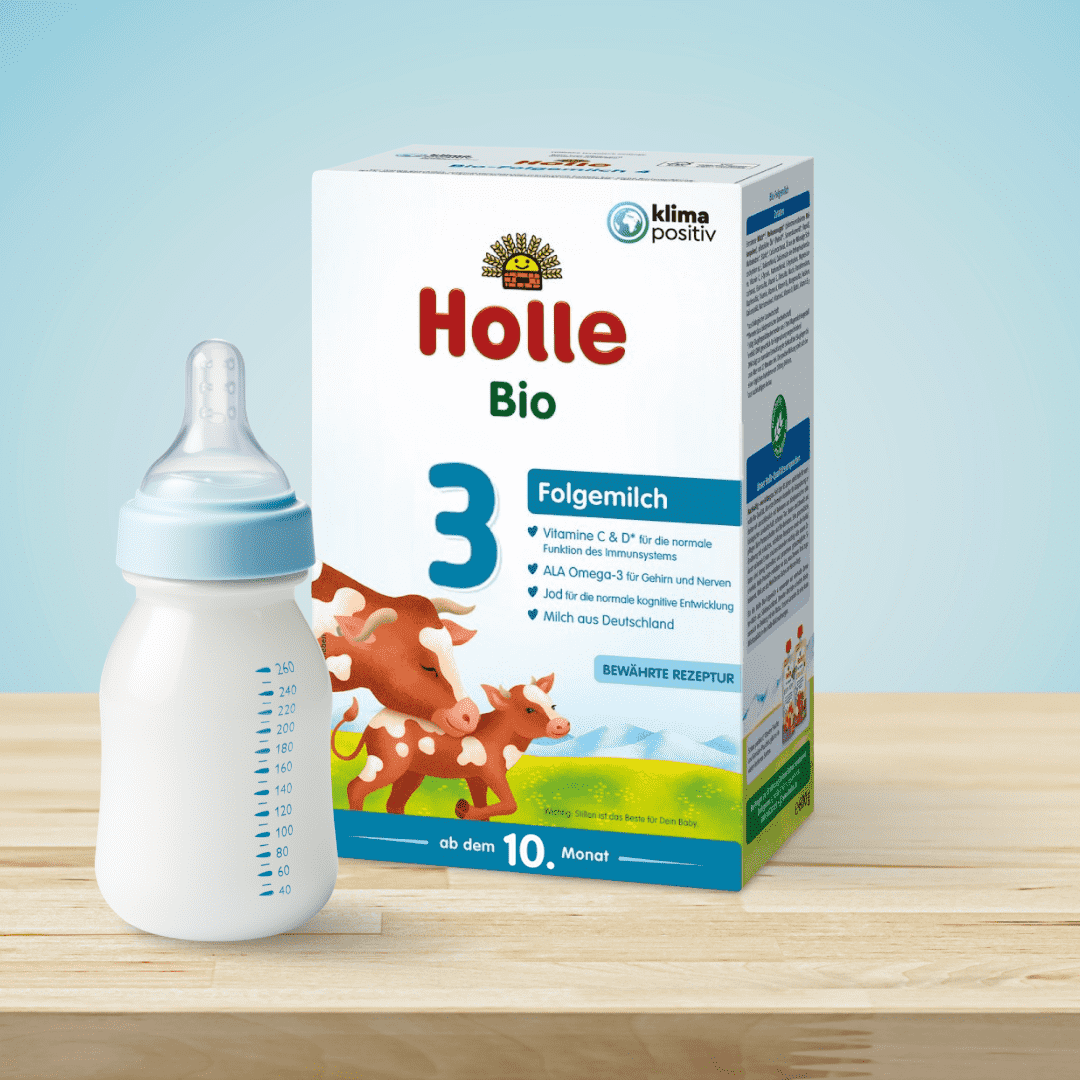
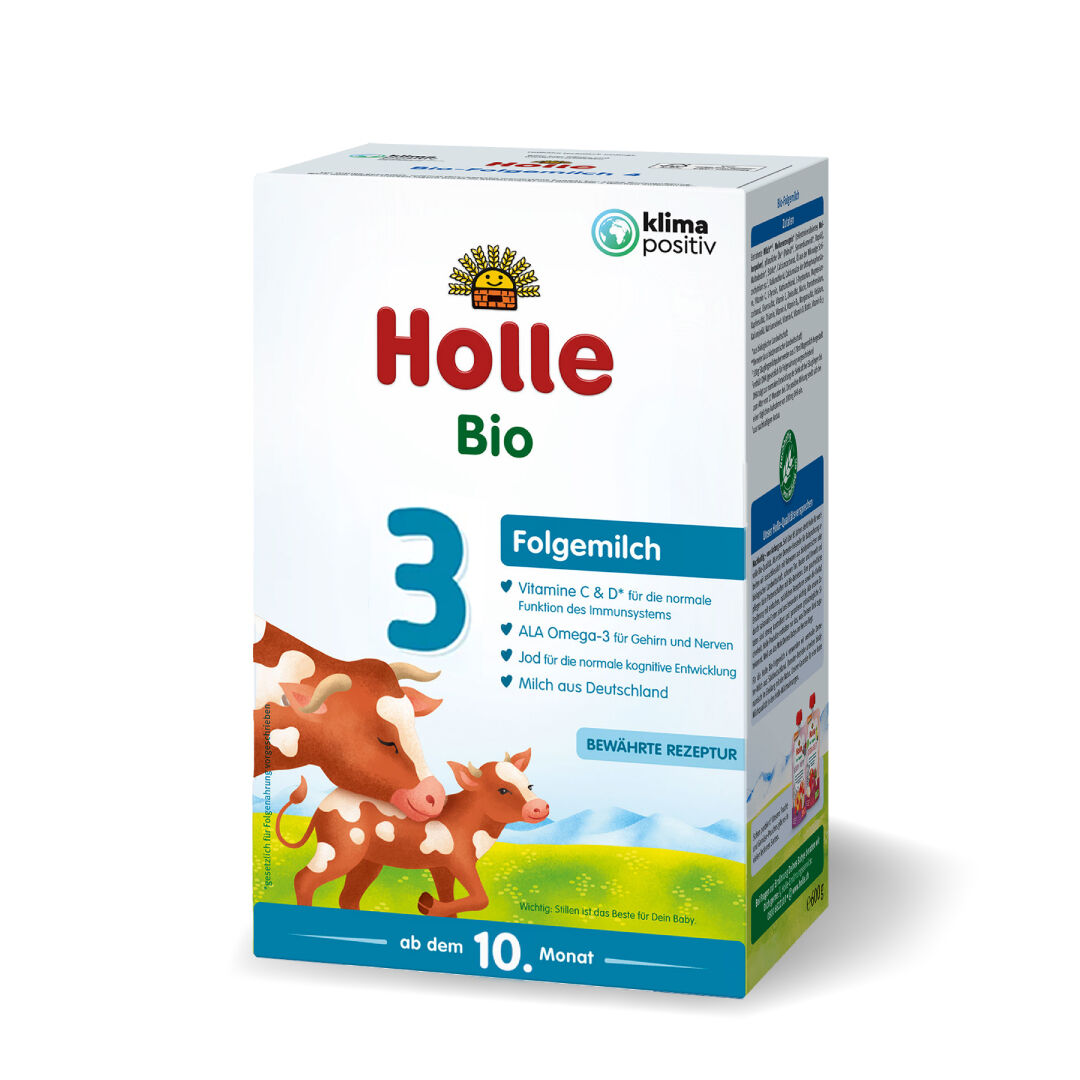
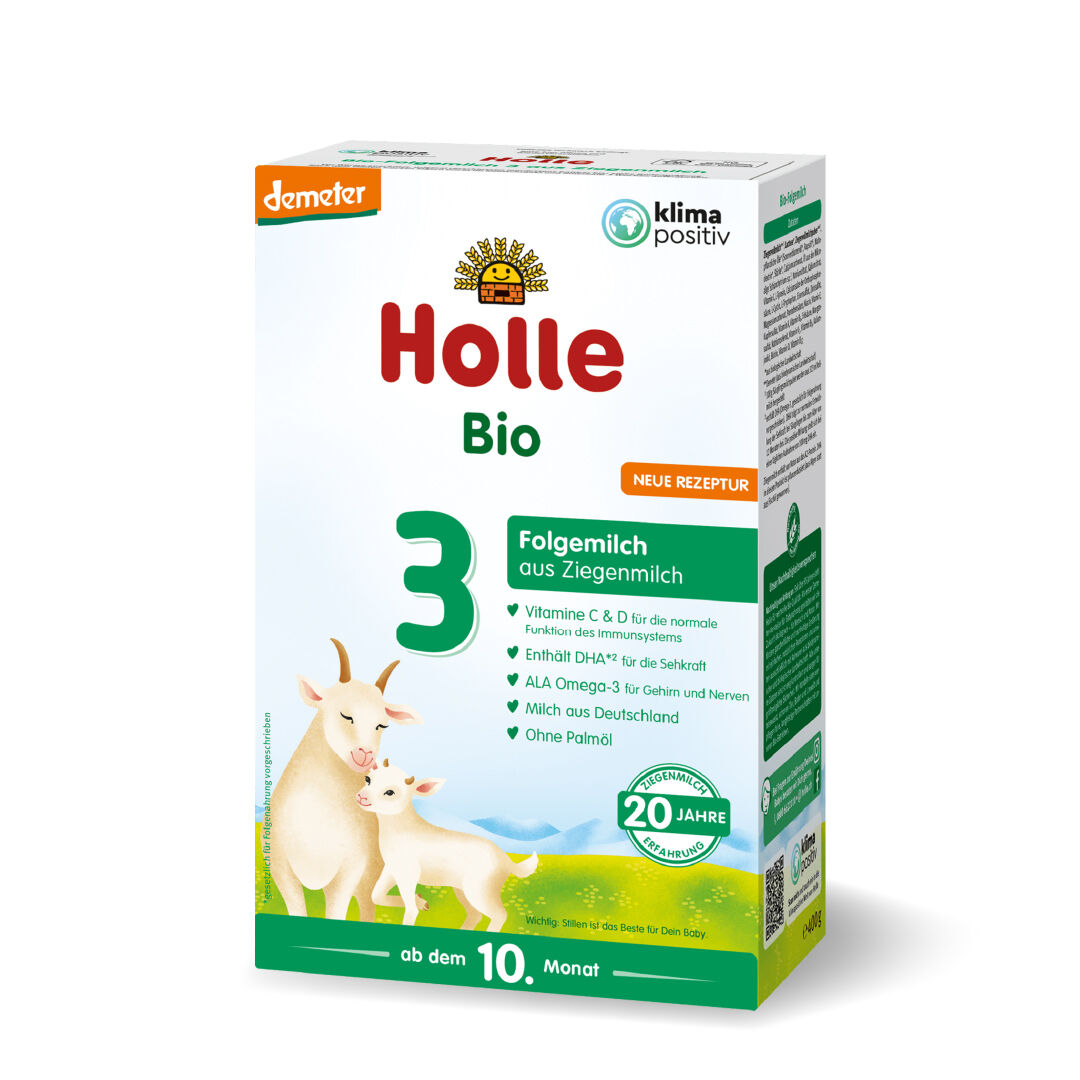
Holle Stage 3 is a creamy, filling formula from one of the world’s most respected Demeter-certified organic brands. It’s safe, nutritious and full of brain-healthy fatty acids DHA and ARA. What more could a growing baby ask for?
"I love the Holle brand! It’s been so gentle on our baby's stomach. She sleeps so well and has never had gas or belly cramps. I encourage everyone to try it!"
Anne Smart - Holle stage 3 customer
Non-GMO, gluten-free, hormone-free and antibiotic-free with zero added sugars, artificial preservatives, chemicals, flavors or colorings
Formulated after real breast milk for easy absorption
Made from organic skim milk from German farms that meet highest European organic standards
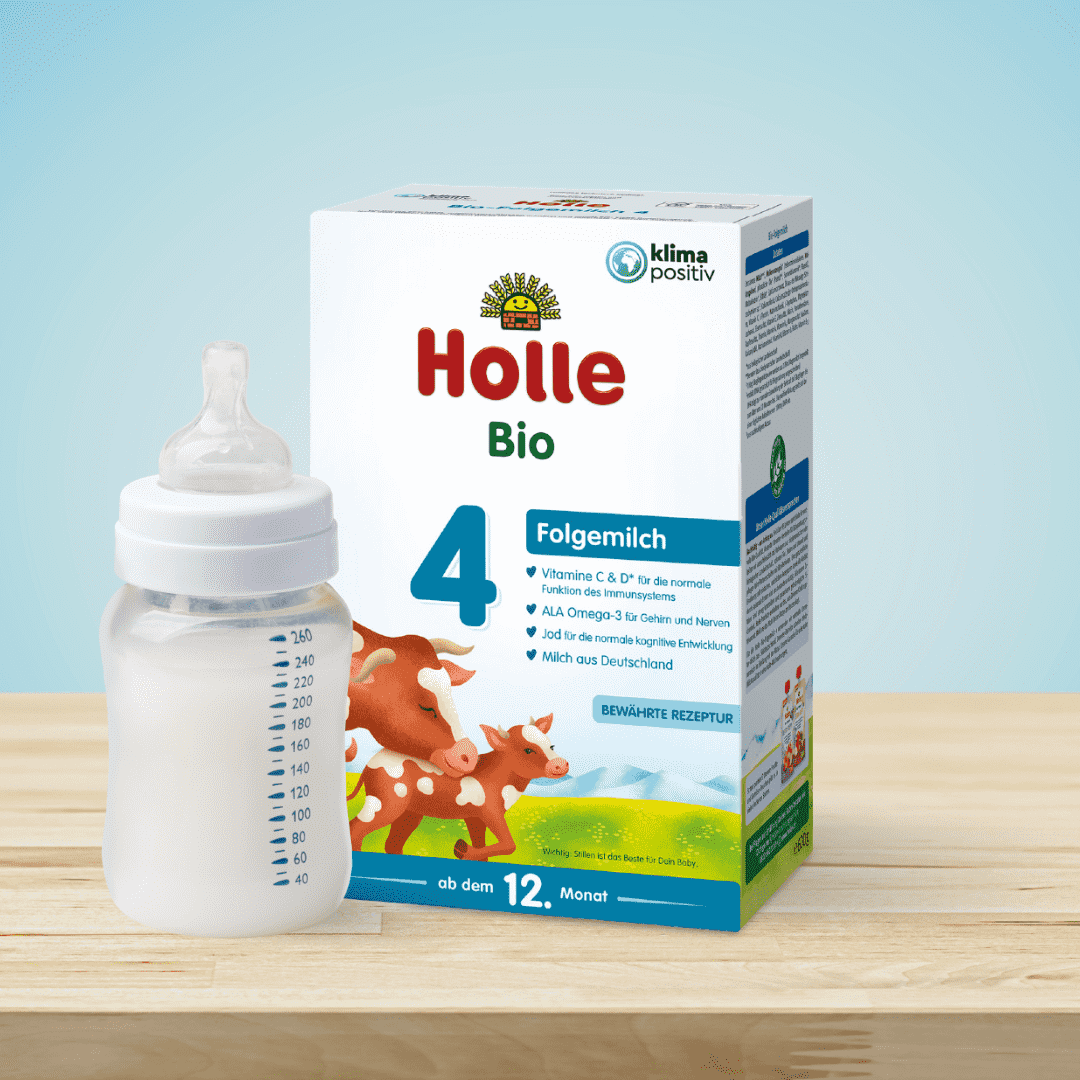
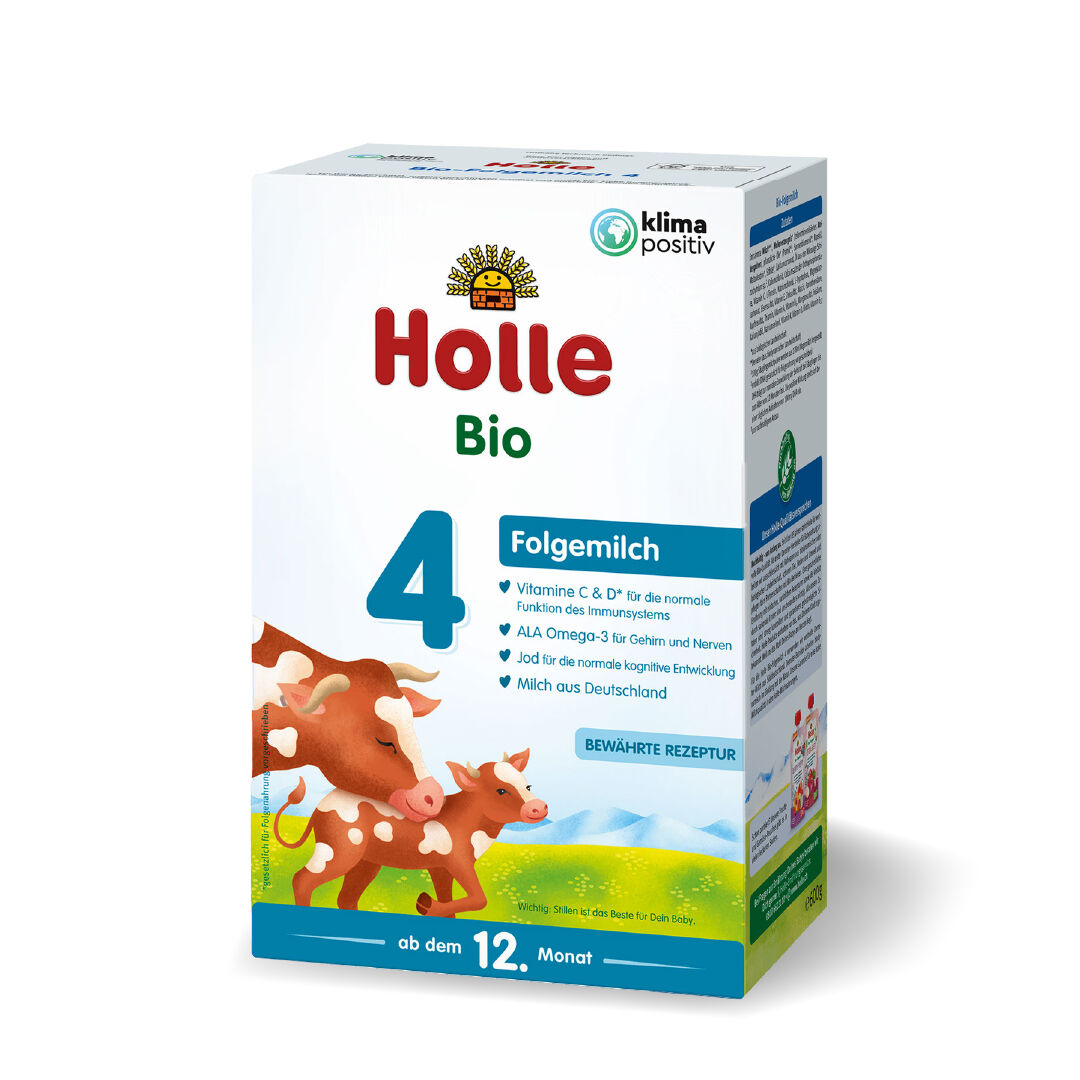
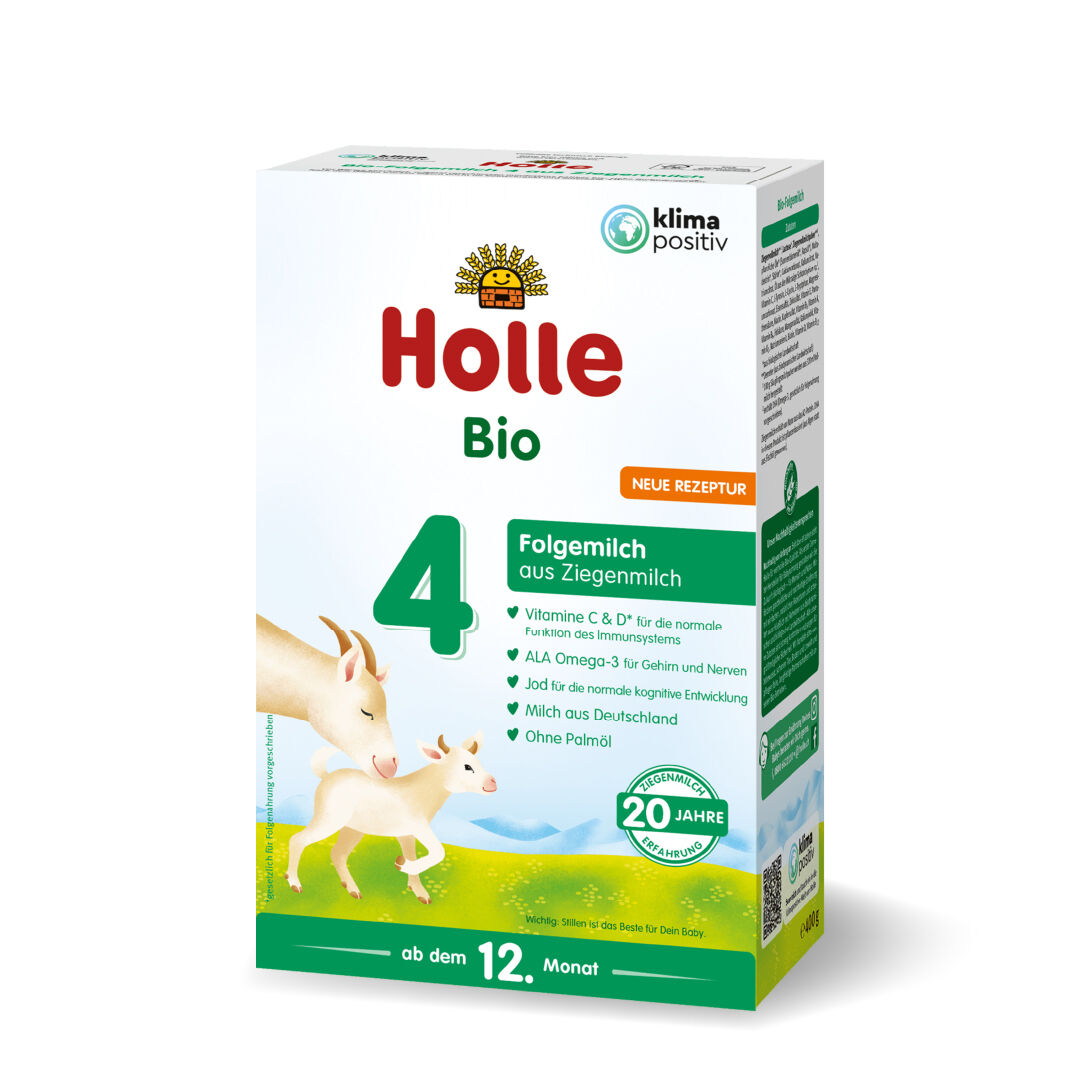
Holle Stage 4 is a creamy, filling formula from one of the world’s most respected organic formula brands. It’s safe, nutritious and full of brain-healthy fatty acids DHA and ARA. What more could a growing baby ask for?
"I am worry-free feeding my baby this formula over and over again. Happy & healthy baby means happy daddy!"
Edwin Soenarya - Holle stage 4 customer
Non-GMO, gluten-free, hormone-free and antibiotic-free with zero added sugars, artificial preservatives, chemicals, flavors or colorings
Formulated after real breast milk for easy absorption
Made with slow-digesting, bioavailable carbs to keep your baby satisfied longer
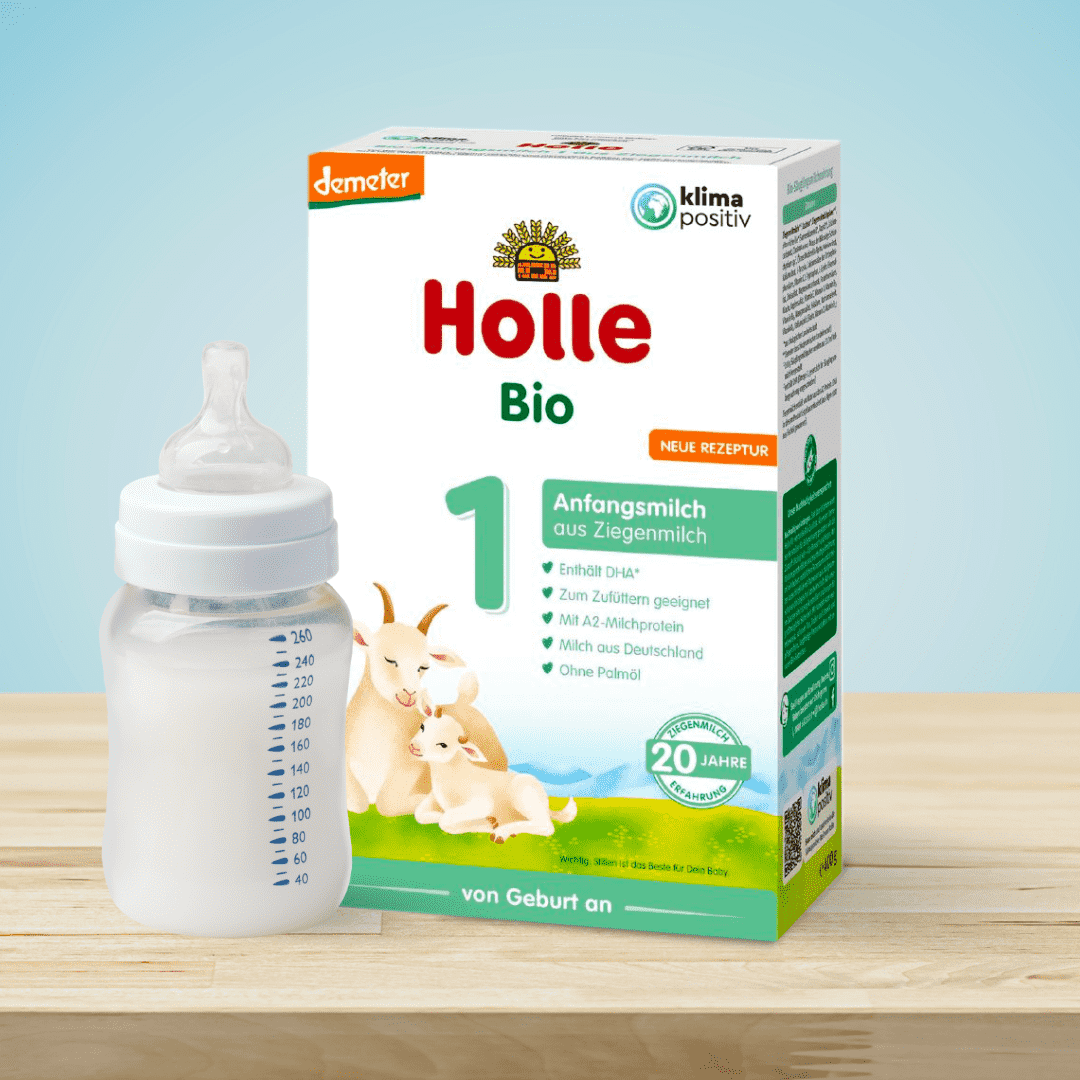
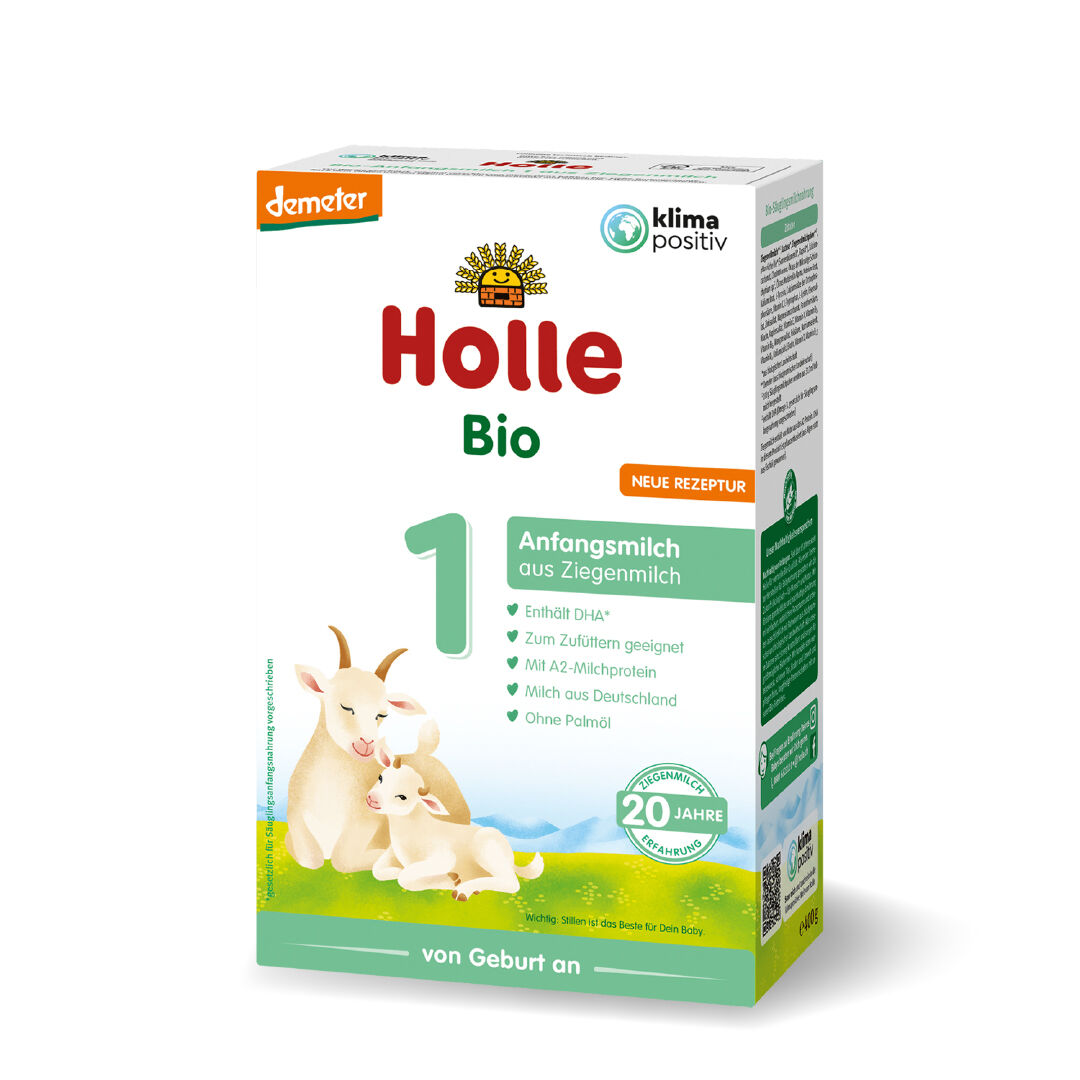
Holle Goat Stage 1 is an organic goat milk formula that provides your baby with the nutrients they need without artificial preservatives or chemicals. Made from delicious, full-cream goat’s milk that will give your newborn all the nutrition they need to grow healthy. Naturally gentle and closer to breastmilk, goat’s milk formula is ideal for little ones with sensitive tummies. What more could a growing baby ask for?
"I rarely review any product but this formula was a true changer for my son. He was currently on a well known USA brand that made him really gassy. Once I changed him to this formula he has been regular and no longer gassy."
Nellie Pizano - Holle Goat stage 1 customer
Naturally closer to breastmilk, making it gentle and easy to digest for sensitive tummies
Supports healthy growth and brain development
100% free of harmful additives, including palm oil, corn syrup and GMOs. Better for your baby and kinder the planet
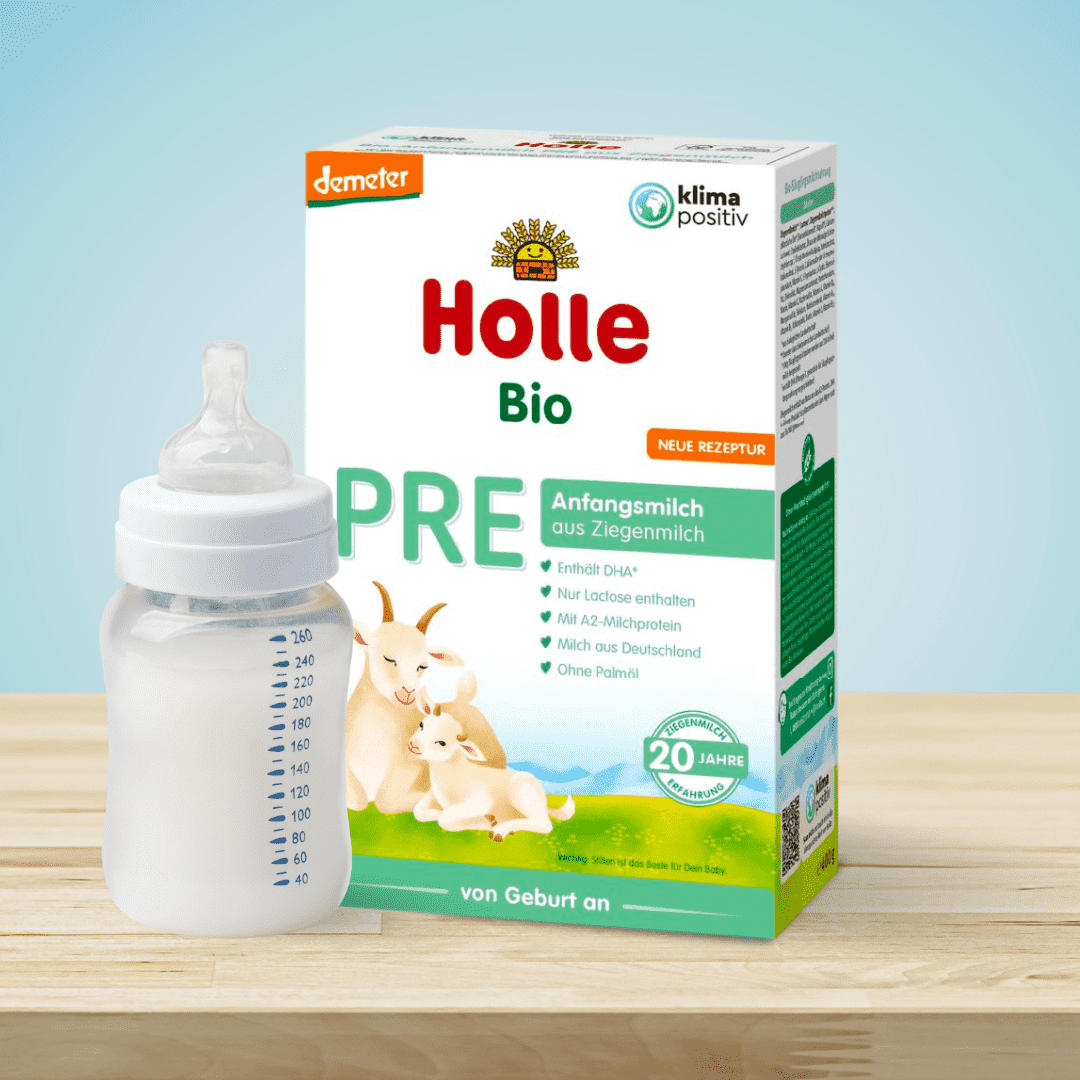
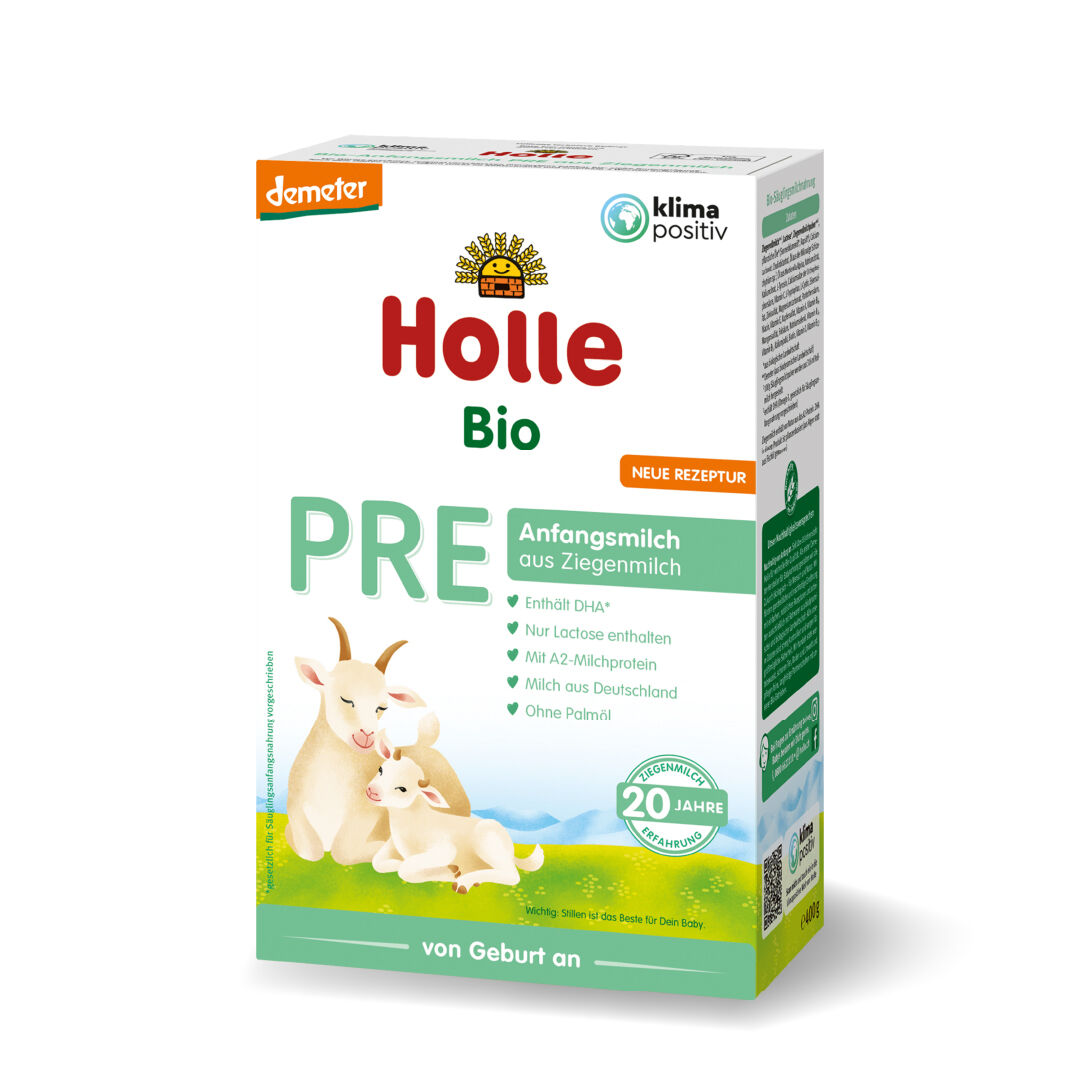
Holle Goat PRE is an organic goat milk formula that provides your baby with the nutrients they need without artificial preservatives or chemicals. Made from delicious, full-cream goat’s milk that will give your newborn all the nutrition they need to grow healthy. Naturally gentle and closer to breastmilk, goat’s milk formula is ideal for little ones with sensitive tummies. What more could a growing baby ask for?
"We have been using the Infant Goat milk for our 2 month old baby because he has a sensitively to cow protein and we love it. It is very gentle on his stomach and he adjusted to the formula right away. We are very happy with it because our baby is finally happy, no more tummy issues for him."
Cristiana Durac - Holle Goat PRE customer
Naturally closer to breastmilk, making it gentle and easy to digest for sensitive tummies
Supports healthy growth and brain development
100% free of harmful additives, including palm oil, corn syrup and GMOs. Better for your baby and kinder the planet
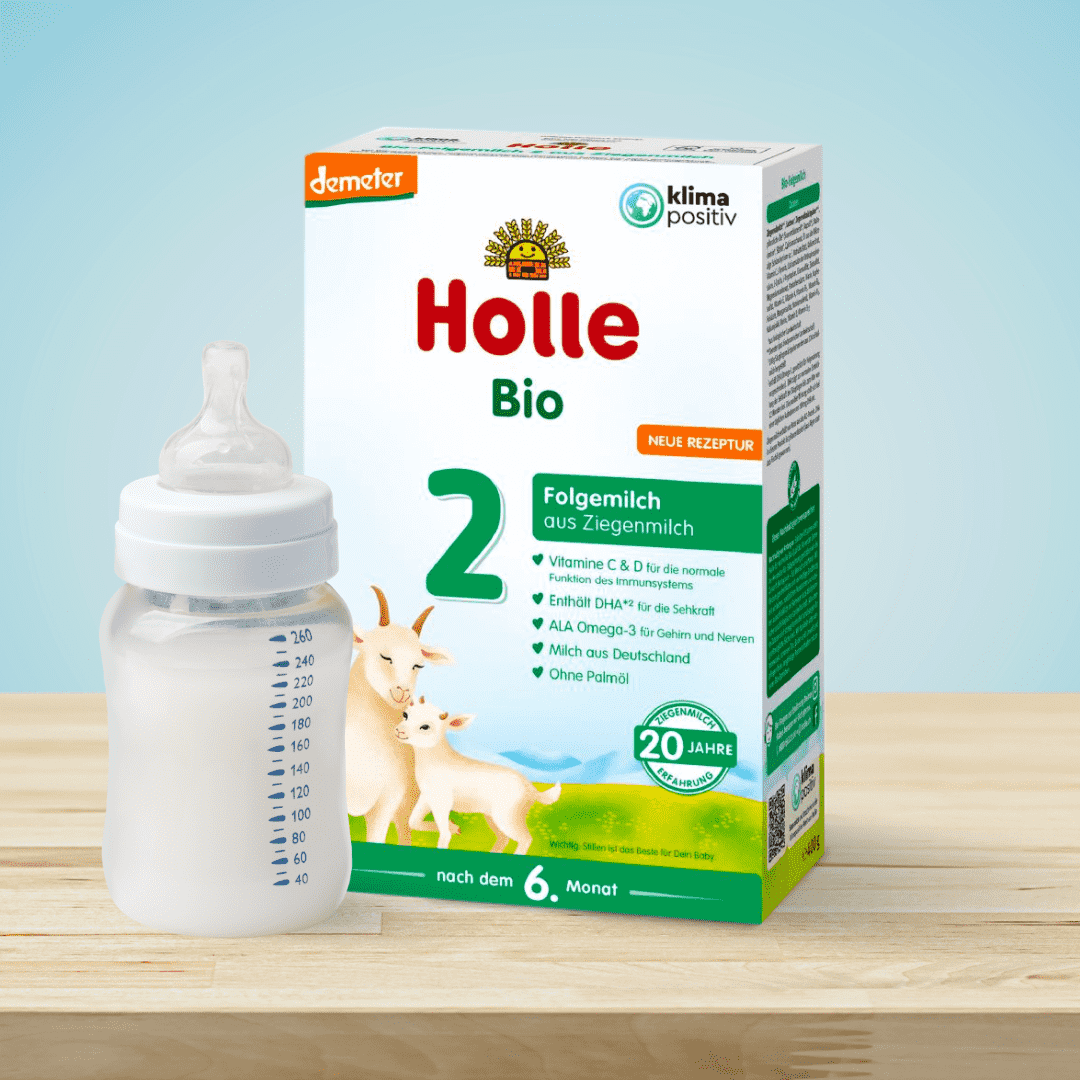
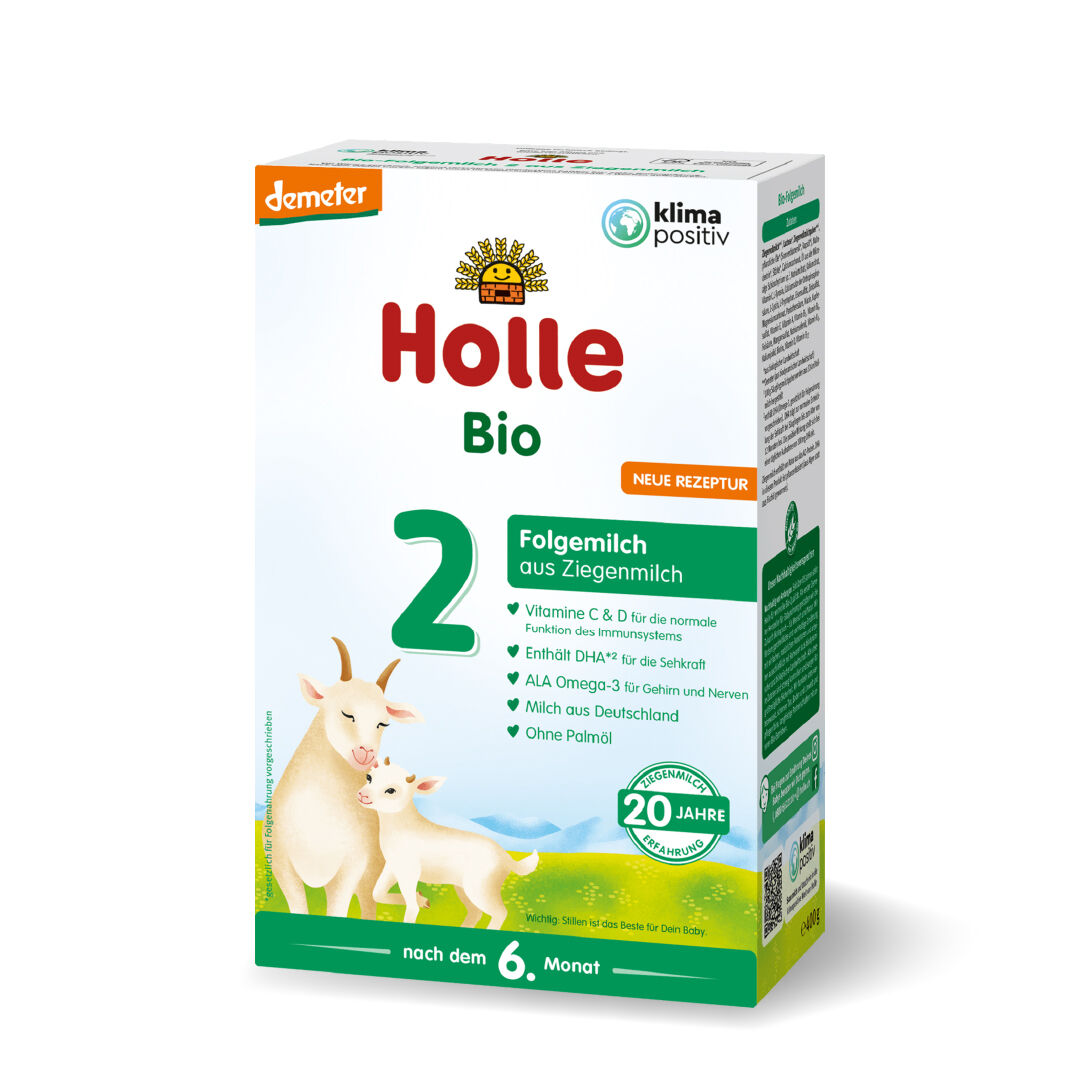
Holle Goat Stage 2 is an organic follow-on goat milk formula designed for babies with sensitivities to cow milk. Made from delicious, full-cream goat’s milk that will give your growing baby all the goodness they need as they start to experiment with food. Naturally gentle and closer to breastmilk, goat’s milk formula is ideal for little ones with sensitive tummies. What more could a growing baby ask for?
"Switched from Similac Alimentum to this because my son wasn’t sleeping and I was running out of reasons as to why. Within 2 bottles of Holle Goats milk he started to sleep 11-12 hours a night!"
Natalina Eisha - Holle Goat stage 2 customer
Naturally closer to breastmilk, making it gentle and easy to digest for sensitive tummies
Supports healthy growth and brain development
100% free of harmful additives, including palm oil, corn syrup and GMOs. Better for your baby and kinder the planet
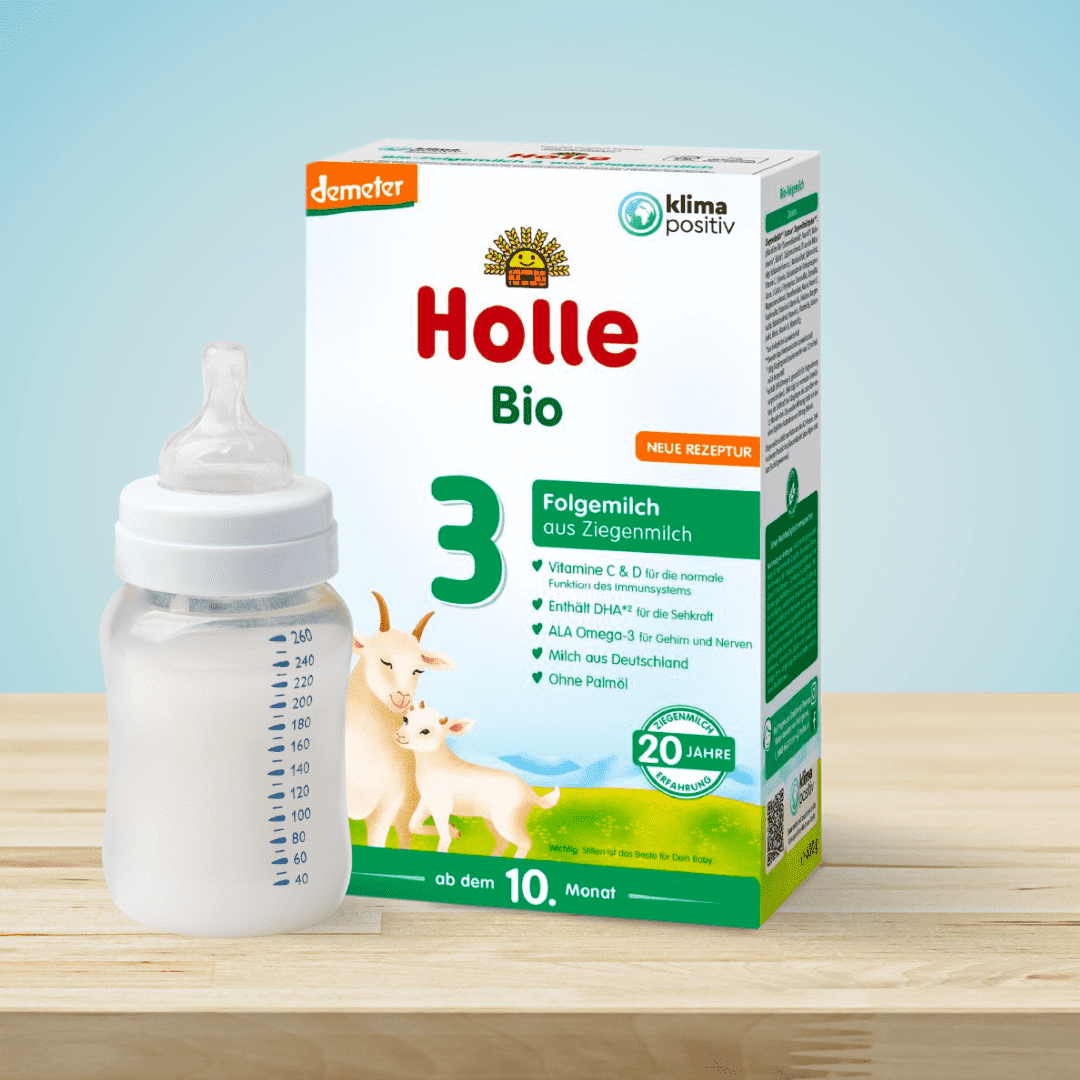
Holle Stage 3 Organic Goat Milk formula is made from delicious, full-cream goat’s milk. It’s perfect for growing babies and toddlers to help set them up for a healthy, happy life. Naturally gentle and closer to breastmilk, goat’s milk formula is ideal for little ones with sensitive tummies. What more could a growing baby ask for?
"This formula works so well for our son who did not do well with cows milk or soy based formulas. Holle gives me confidence that my son is getting premium nutrition."
Valerie Deline - Holle Goat stage 3 customer
Naturally closer to breastmilk, making it gentle and easy to digest for sensitive tummies
Supports healthy growth and brain development
100% free of harmful additives, including palm oil, corn syrup and GMOs. Better for your baby and kinder the planet
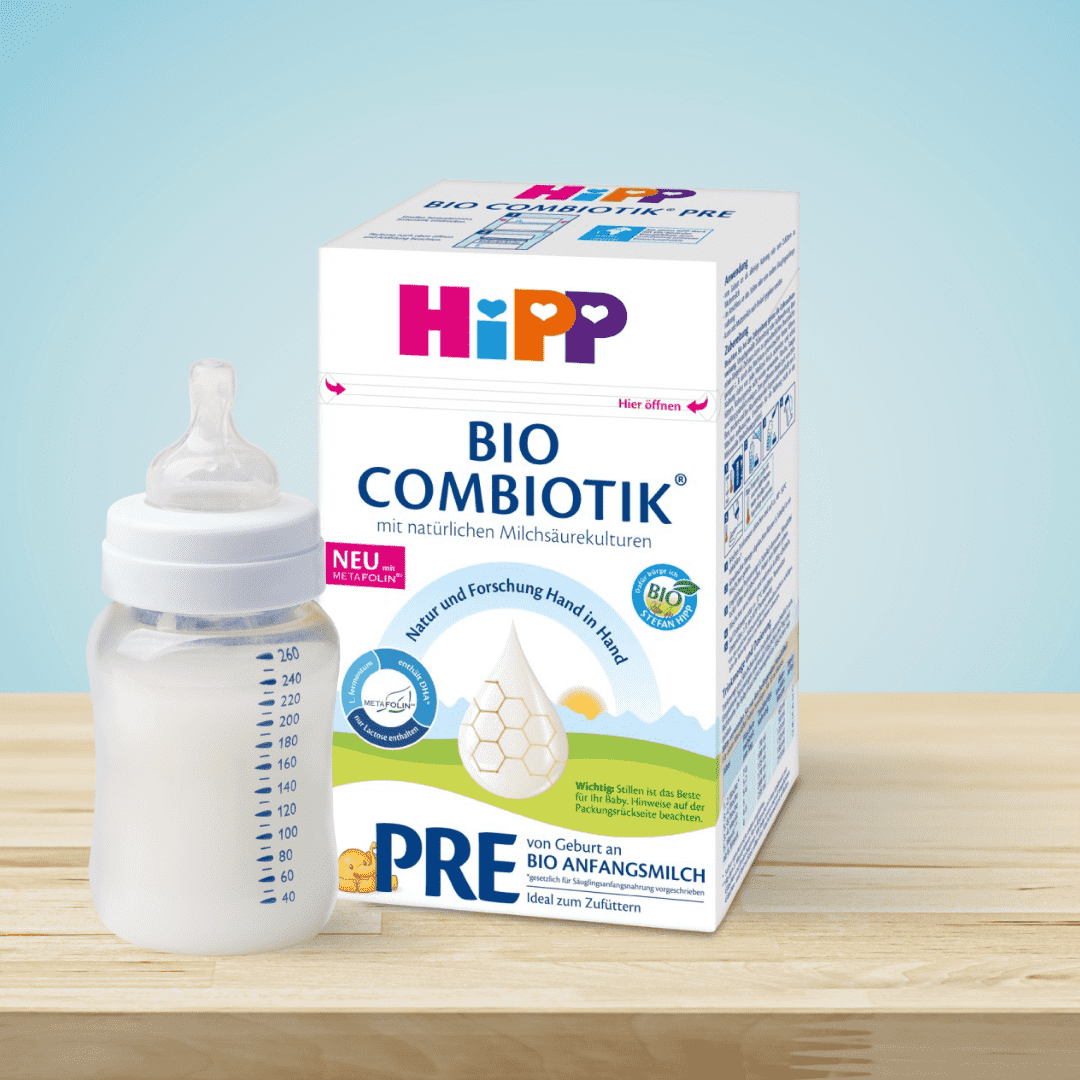
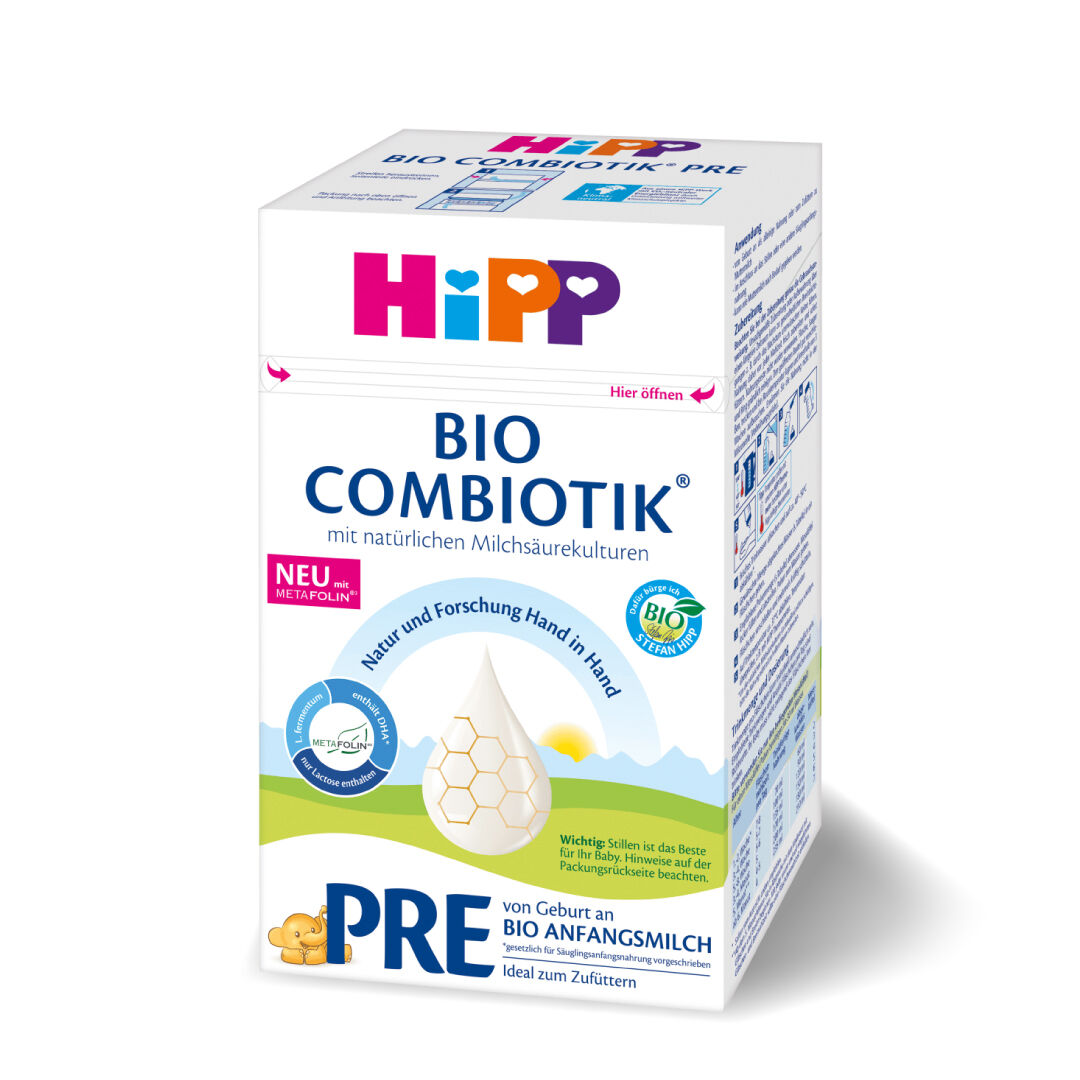
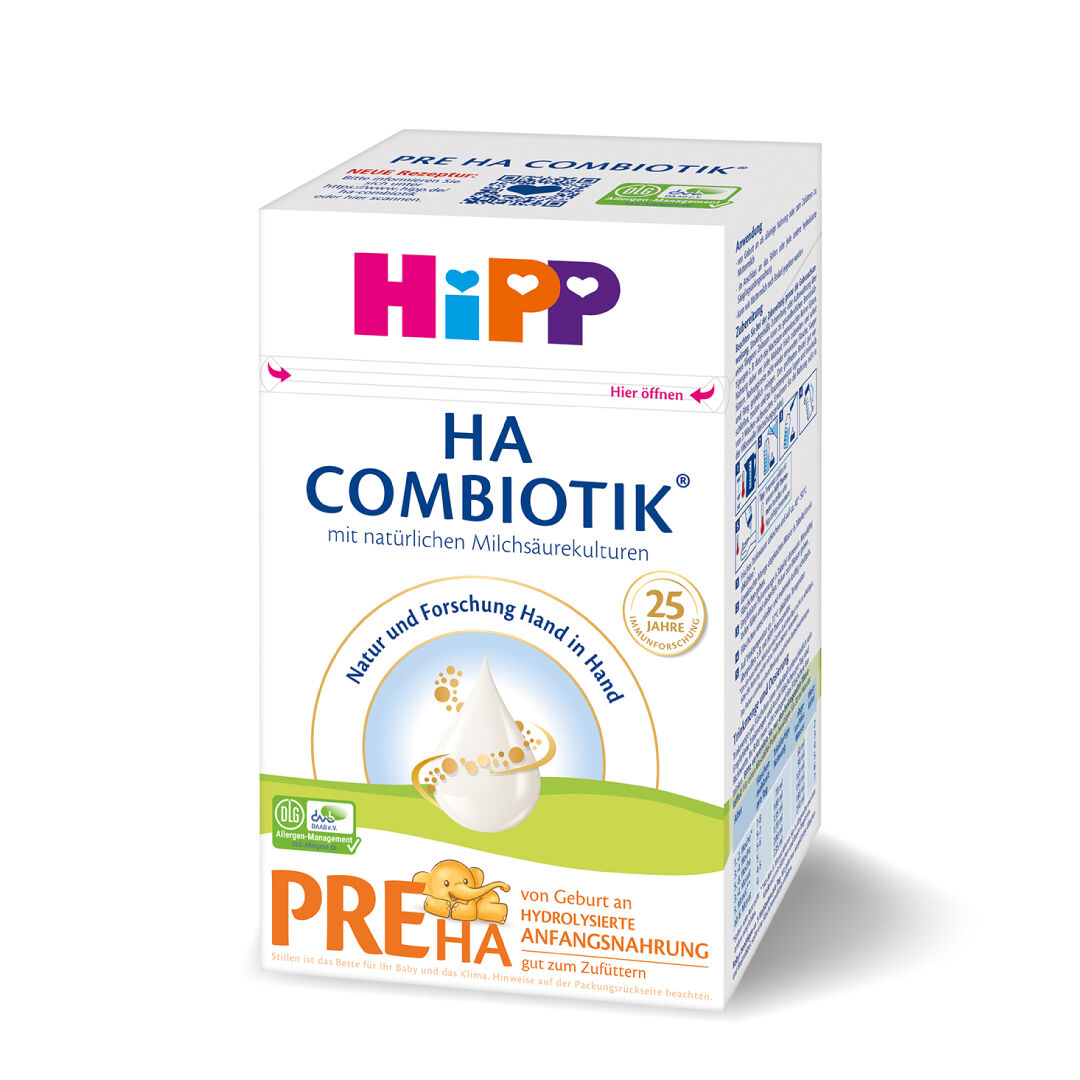
HiPP Combiotic PRE is made in Germany using only high-quality organic skim milk and is designed especially for the tiniest newborns. Nourishing and delicious, it will give your little one the perfect balance of nutrients to keep them healthy and happy in their first few months of life. What more could a growing baby ask for?
"We love the Hipp formula! We tried using other brands when our little guy was born, and he was super gassy and fussy. We made the switch and he has been thriving since. I would highly recommend!"
Jordan Menard - HiPP Combiotic PRE customer
Free from harmful GMOs, unnecessary additives including gluten and synthetic preservatives and flavors
Contains prebiotics, including lactic acid cultures originally obtained from breastmilk to support your baby’s gut health and balance
Made with milk from pasture-raised cows who graze on organic German farms
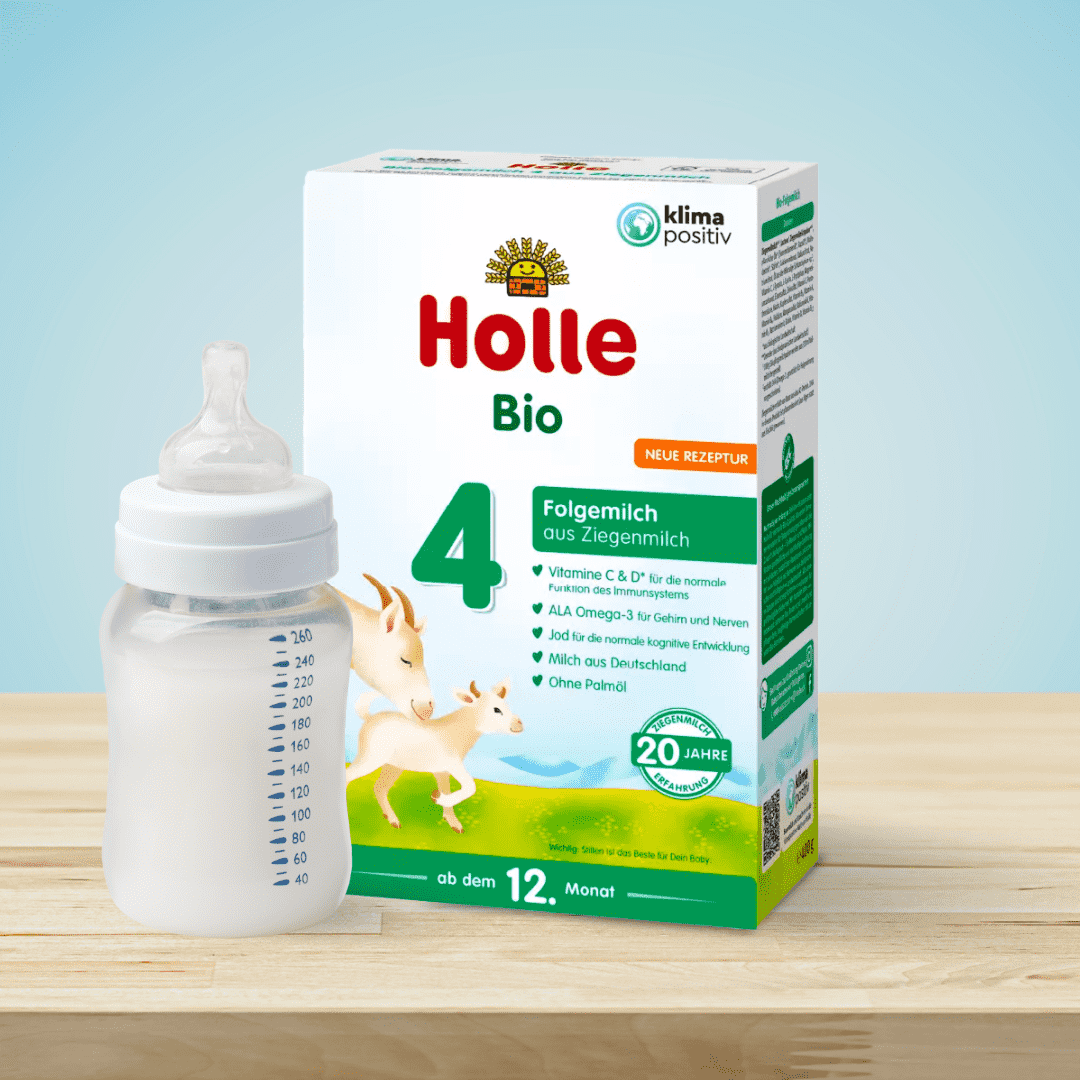
Holle Stage 4 Organic Goat Milk formula is made from delicious, full-cream goat’s milk. It’s perfect for growing babies and toddlers to help set them up for a healthy, happy life. Naturally gentle and closer to breastmilk, goat’s milk formula is ideal for little ones with sensitive tummies. What more could a growing baby ask for?
"We have been feeding our baby Holle Goat Milk formula since he was quite little because it's a high quality, organic product with important nutrients that our baby wouldn't be able to get otherwise"
Stacy Friedman - Holle Goat stage 4 customer
Naturally closer to breastmilk, making it gentle and easy to digest for sensitive tummies
Supports healthy growth and brain development
100% free of harmful additives, including palm oil, corn syrup and GMOs. Better for your baby and kinder the planet
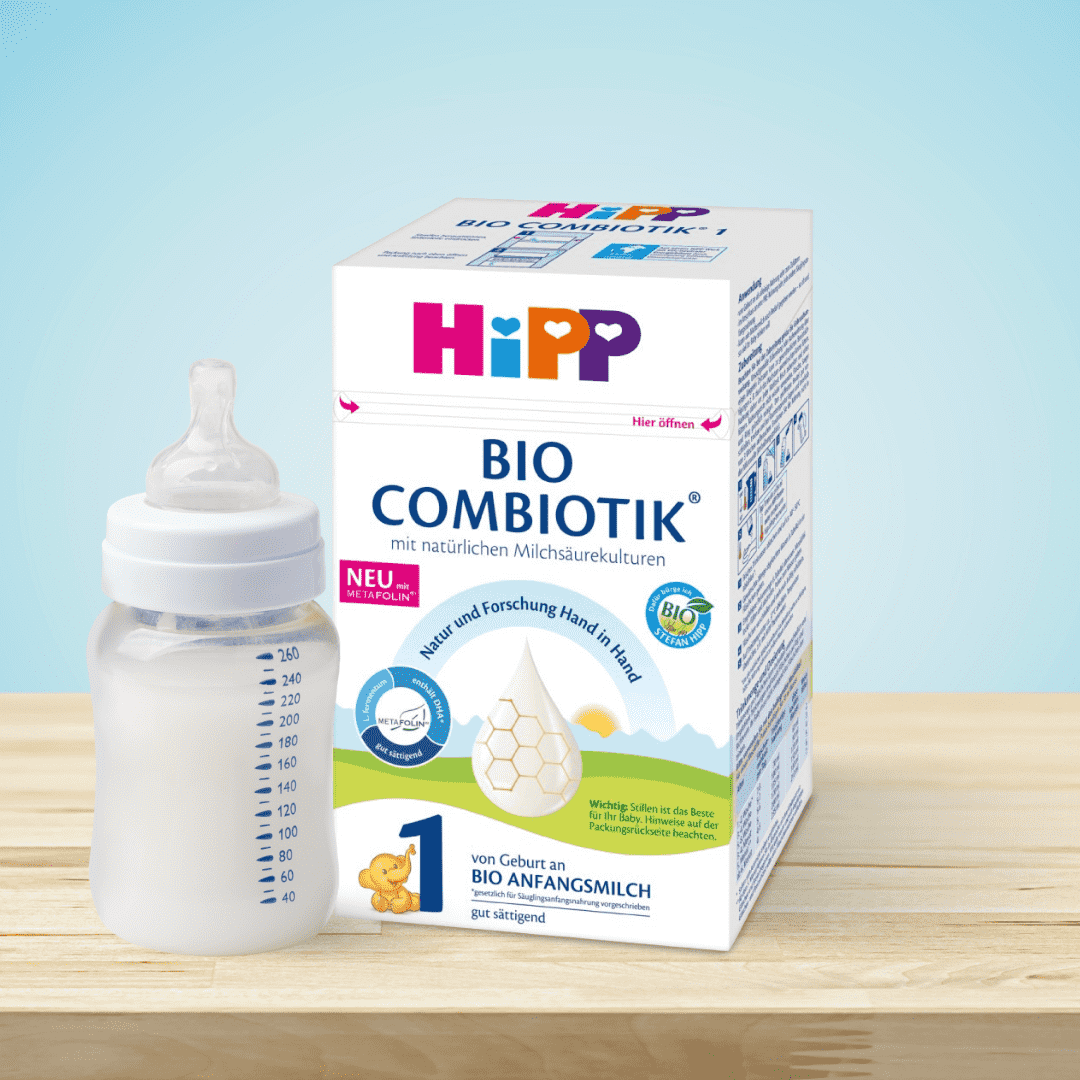
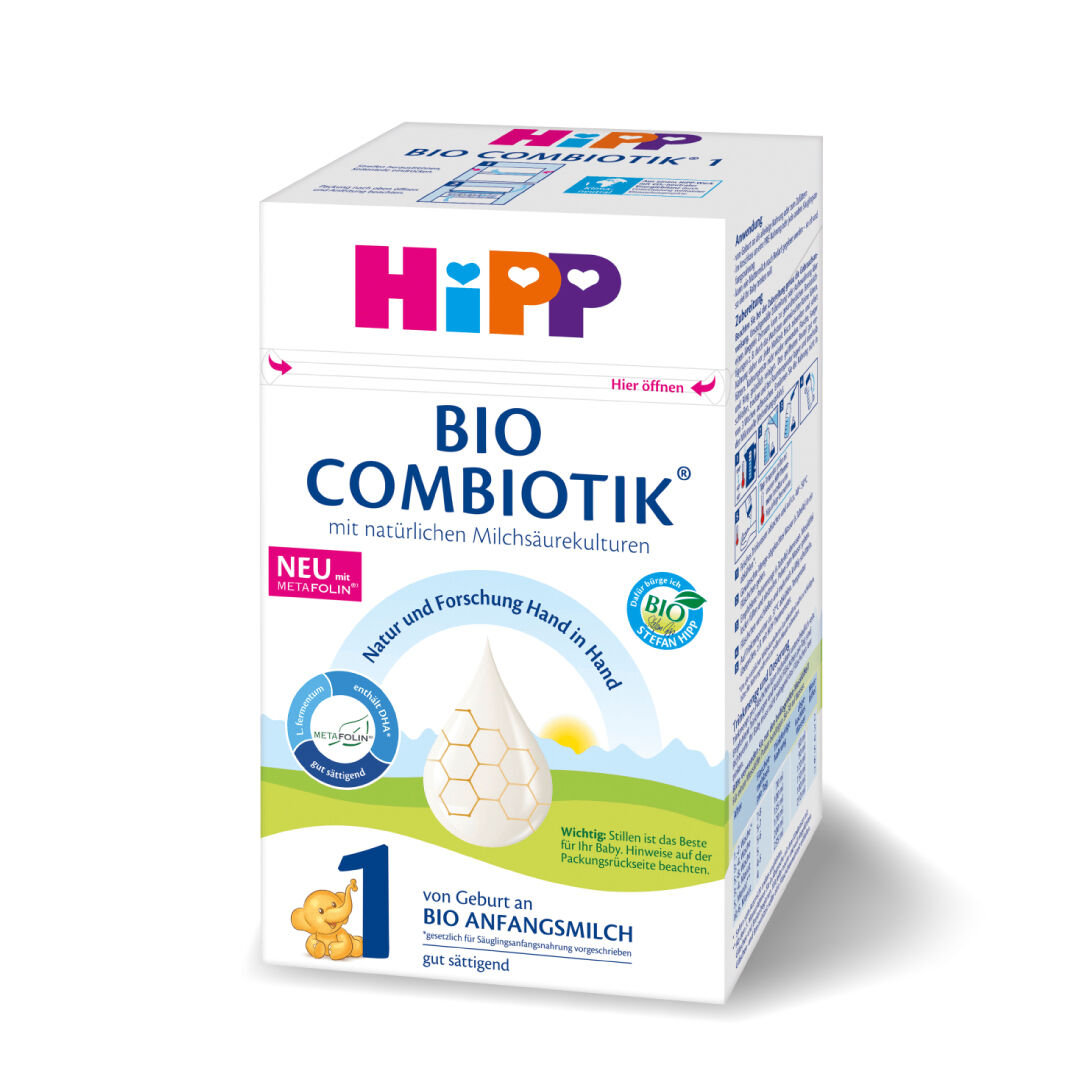
HiPP Combiotic Stage 1 is made in Germany using only high-quality organic skim milk. Creamy and filling, it’s made with a mild organic starch designed to be gentle on your baby’s tummy while keeping them satisfyingly full and happy. What more could a growing baby ask for?
"I love this formula for my baby who just turned 4 months. She had difficulties with digestion and constipation with American brand formula. Since I change the formula to HiPP, she never get any of those problem!"
Sohyun Park - HiPP Combiotic 1 customer
Free from harmful GMOs, unnecessary additives including gluten and synthetic preservatives and flavors
Contains prebiotics, including lactic acid cultures originally obtained from breastmilk to support your baby’s gut health and balance
Made from organic skim milk from German farms that meet highest European organic standards
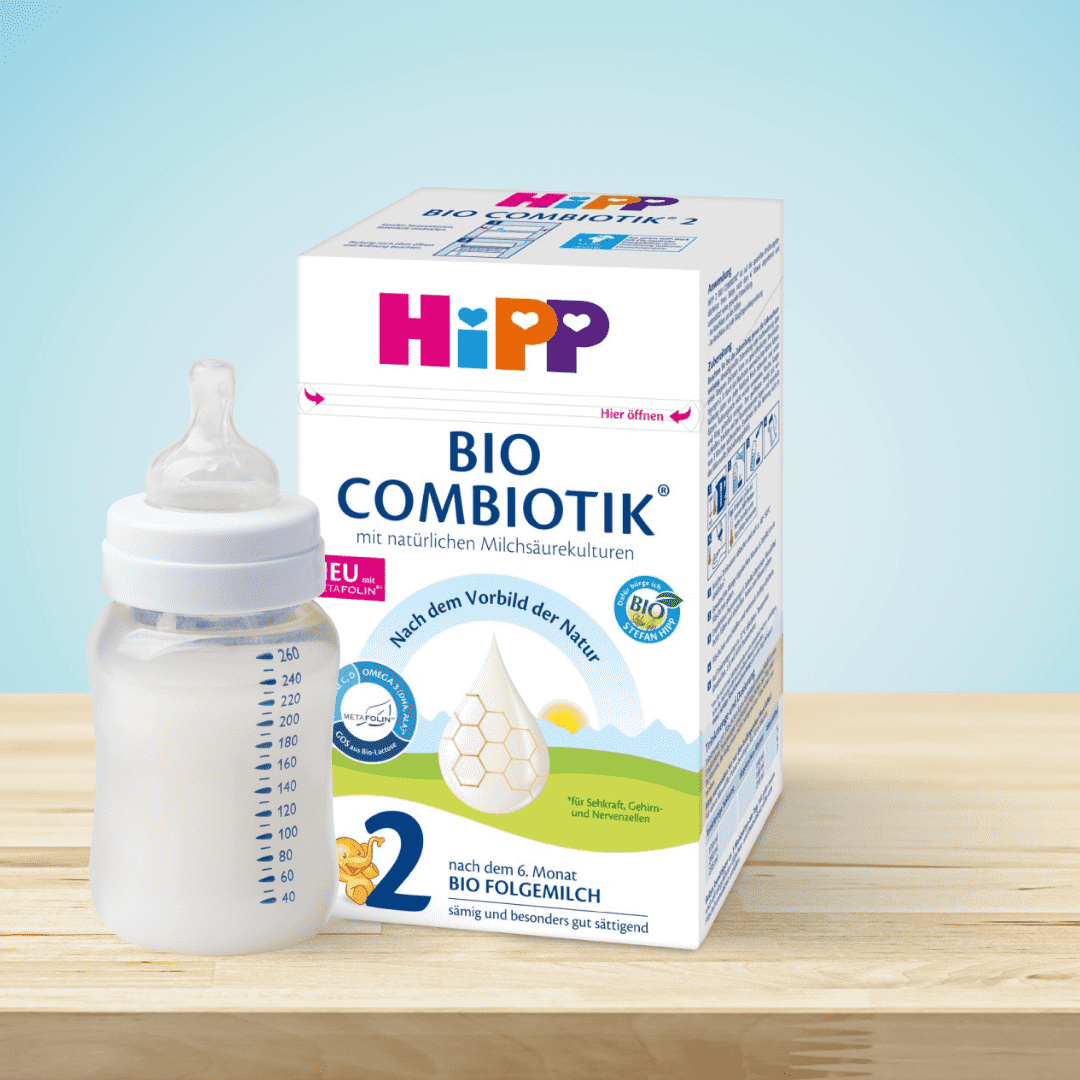
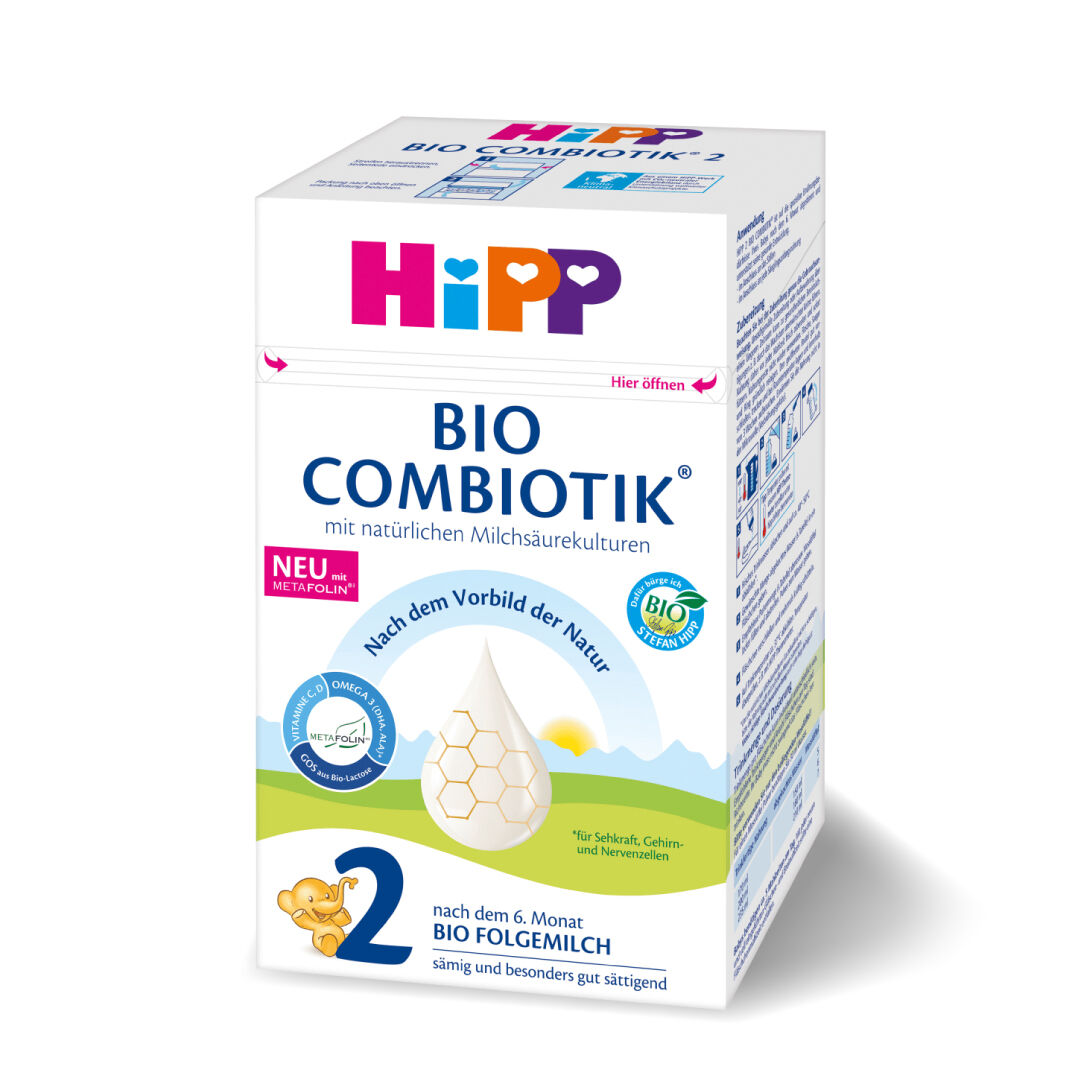
HiPP Combiotic Stage 2 is made in Germany using only high-quality organic skim milk. Creamy and filling, it’s made with a mild organic starch designed to keep your baby satisfyingly full while they start to experiment with food. What more could a growing baby ask for?
"HIPP provides fantastic baby formula - I love the philosophy of that company and their natural approach. Compared to US formula it doesn’t contain any unnecessary ingredients and focuses what a baby really needs."
Simone Ross - HiPP Combiotic 2 customer
Free from harmful GMOs, unnecessary additives including gluten and synthetic preservatives and flavors
Contains prebiotics, including lactic acid cultures originally obtained from breastmilk to support your baby’s gut health and balance
Made from organic skim milk from German farms that meet highest European organic standards
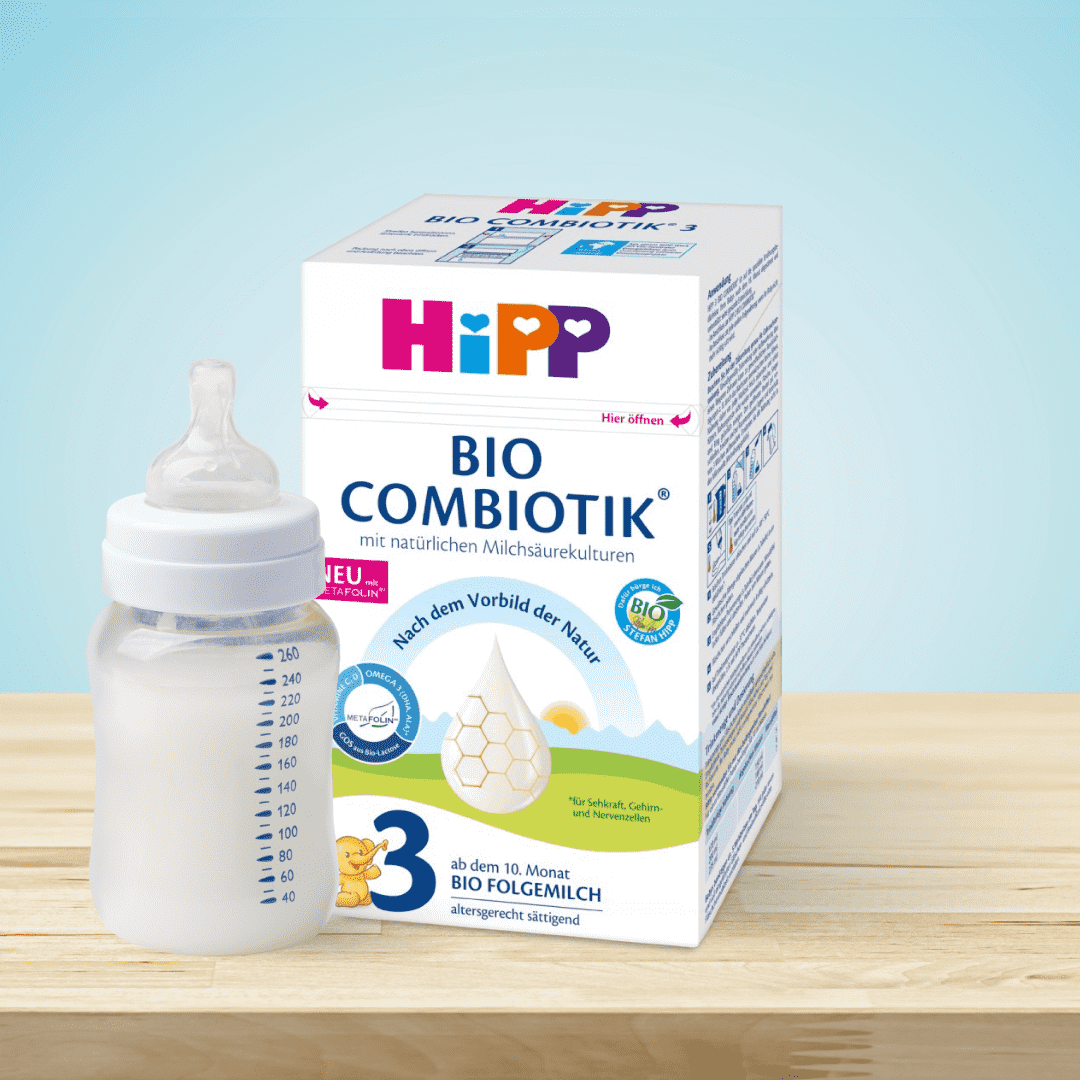
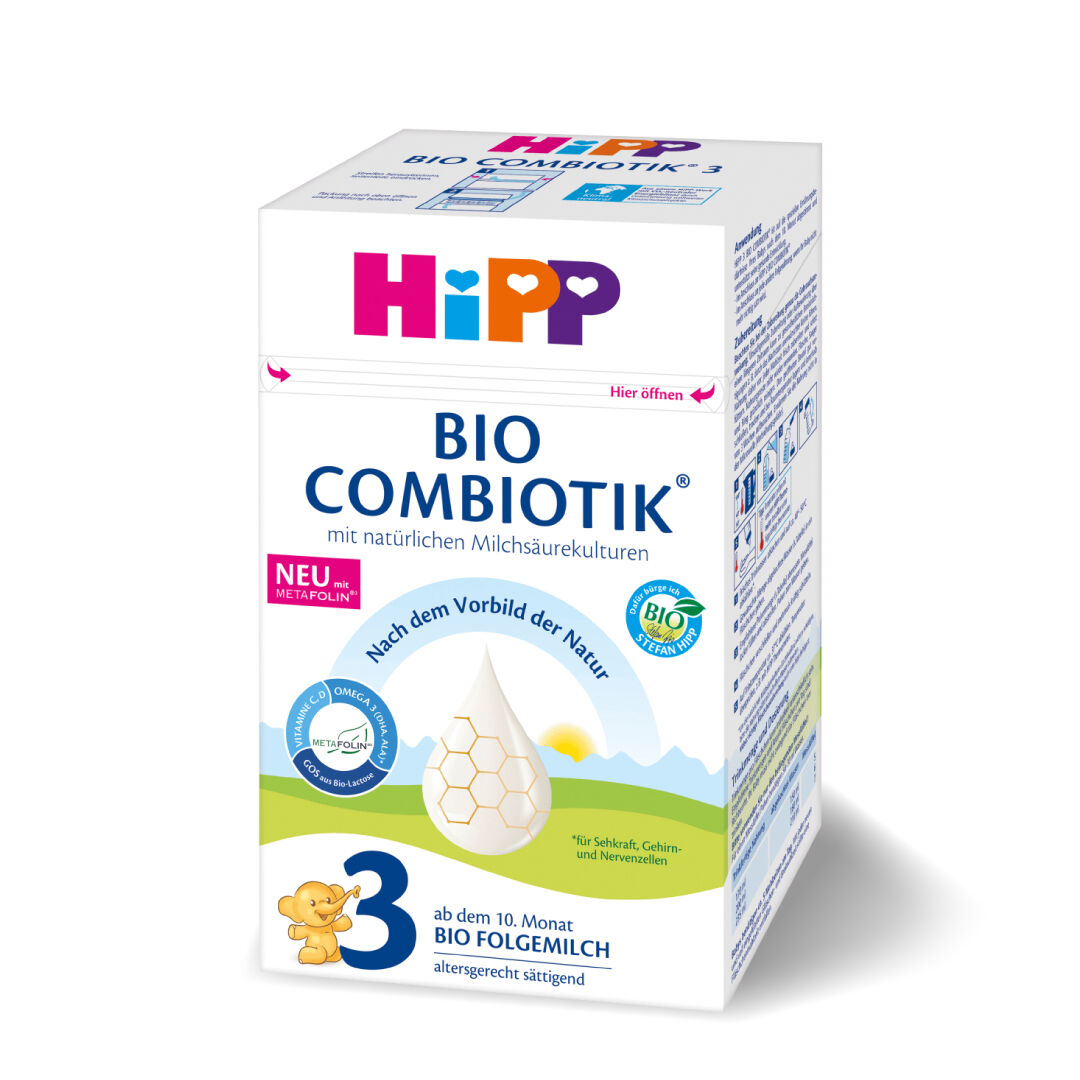
Hipp Combiotic Stage 3 is made in Germany using only high-quality organic skim milk. Creamy and filling, it’s made with a mild organic starch designed to keep your baby satisfyingly full as they grow and explore. What more could a growing baby ask for?
"Even though nursing has come to an end, I love giving her these added nutrients in a nice warm bottle before bed each night and she loves it!"
Heather Hogan - HiPP Combiotic 3 customer
Free from harmful GMOs, unnecessary additives including gluten and synthetic preservatives and flavors
Contains prebiotics, including lactic acid cultures originally obtained from breastmilk to support your baby’s gut health and balance
Made from organic skim milk from German farms that meet highest European organic standards
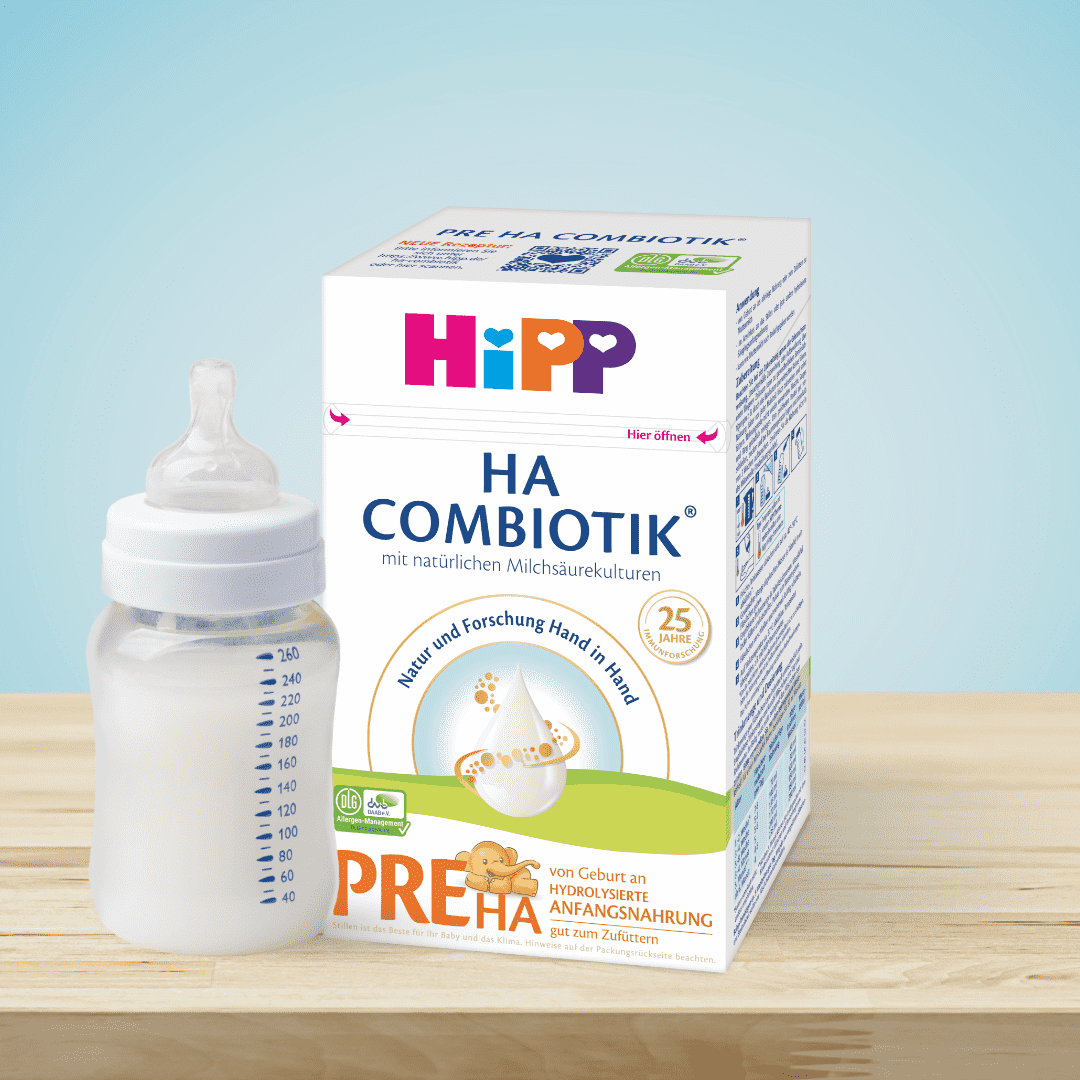
HiPP Hypoallergenic (HA) PRE is designed for little ones from birth and is the ideal choice for babies that don’t tolerate regular formula well. It’s made from the same organic cow’s milk as all regular HiPP formulas, but with the proteins broken down so your baby’s immune system can’t react to them. That means all the same nutritional goodness as other organic formulas, with less risk of allergic reactions. What more could a growing baby ask for?
"After a lot of research, I chose HIPP HA RRE and it was a game changer. Constipation is gone & no more vomiting after feeding. Not to mention my little one is sleeping much better."
Madeline C. - HiPP HA PRE customer
Free of harmful additives including added sweeteners, corn syrup, maltodextrin and soy
Designed for babies who show symptoms of a cow’s milk sensitivity, or who might be prone to developing allergies
Made with milk from pasture-raised cows who graze on organic German farms
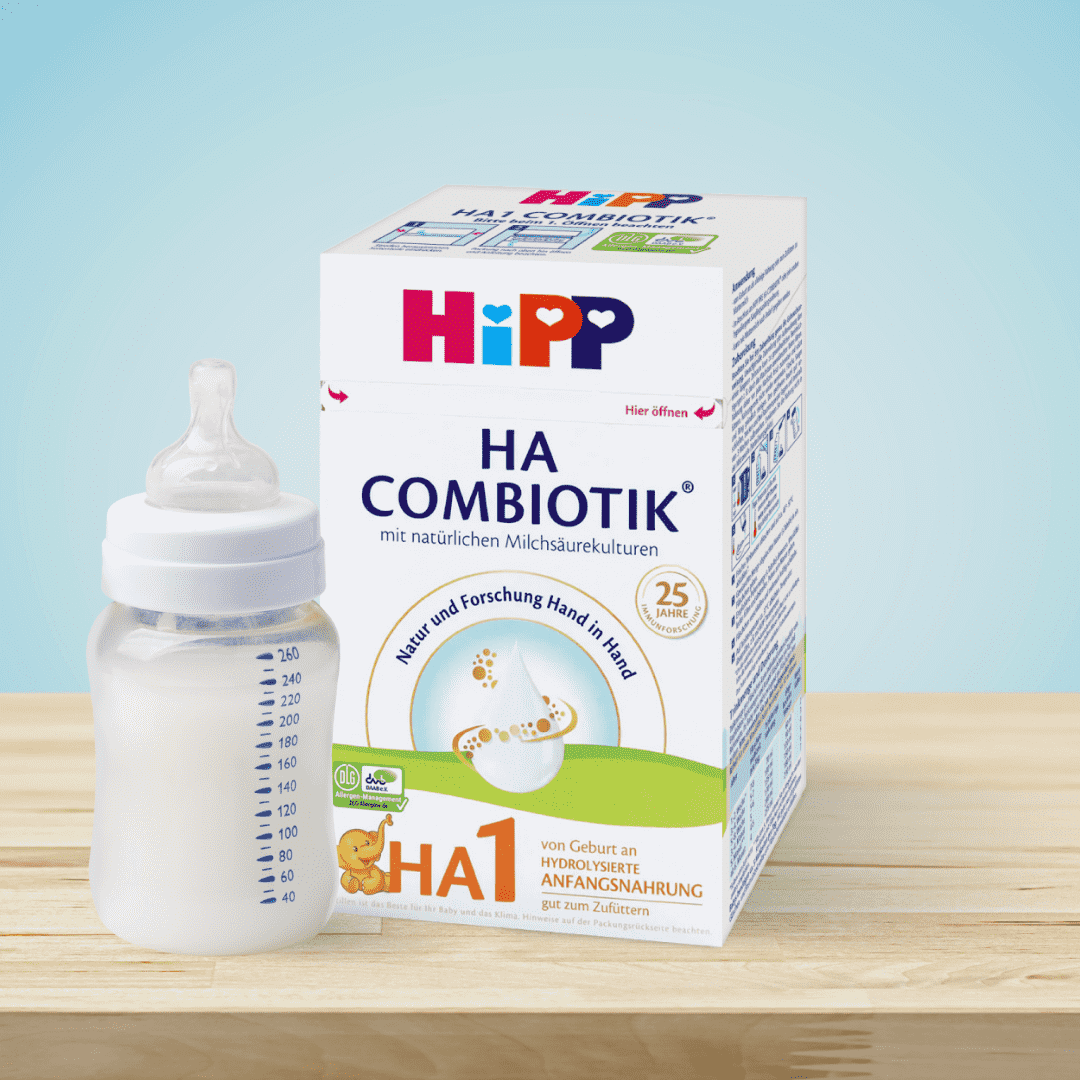
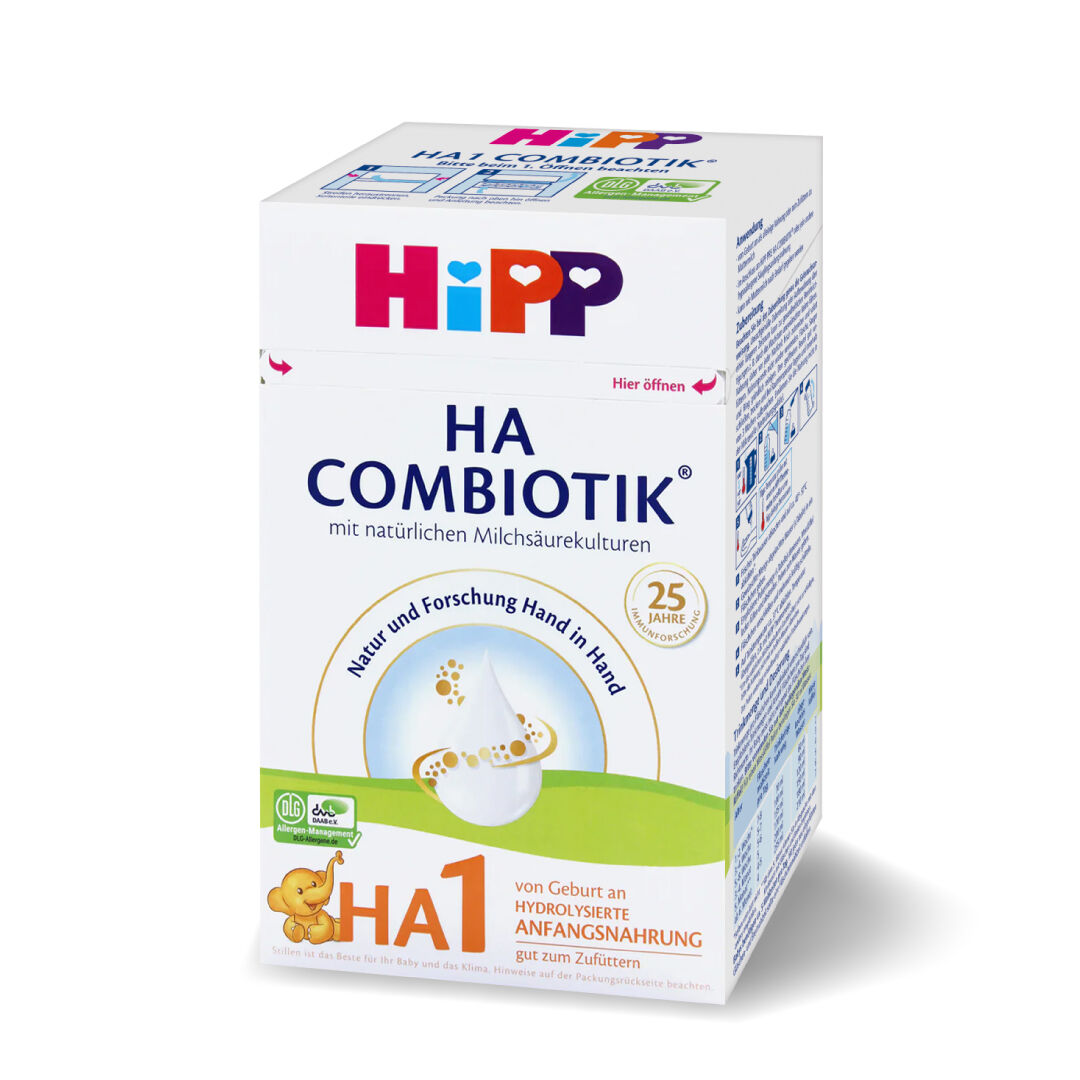
HiPP Hypoallergenic (HA) Stage 1 is designed for little ones from birth and is the ideal choice for babies that don’t tolerate regular formula well. It’s made from the same organic cow’s milk as all regular HiPP formulas, but with the proteins broken down so your baby’s immune system can’t react to them. That means all the same nutritional goodness as other organic formulas, with less risk of allergic reactions. What more could a growing baby ask for?
"My little one loves the milk and is picking up weight as a result. Finally he sleeps well and there are no upset stomachs anymore. So glad to have found this formula."
Tosh Fomby - HiPP HA Stage 1 customer
Free of harmful additives including added sweeteners, corn syrup, maltodextrin and soy
Designed for babies who show symptoms of a cow’s milk sensitivity, or who might be prone to developing allergies
Made with milk from pasture-raised cows who graze on organic German farms
Should you find a lower price elsewhere within 48 hours of ordering, we will match the lower rate.
If a formula isn’t right for your baby, you’ll receive a store credit for two boxes to try another brand.
All orders are shipped using insured express delivery, guaranteeing their arrival in only 2-5 business days.
Our team of formula experts usually responds to your emails within just a few hours on average.
PARENTS TRUST US. GUARANTEED.
Should you find a lower price elsewhere within 48 hours of ordering, we will match the lower rate.
If a formula isn’t right for your baby, you’ll receive a store credit for two boxes to try another brand.
All orders are shipped using insured express delivery, guaranteeing their arrival in only 2-5 business days.
Our team of formula experts usually responds to your emails within just a few hours on average.
WHY ORGANIC BABY FORMULA FROM EUROPE?
Selecting the appropriate baby formula for your child is an essential decision that can influence their health and growth. European Organic Baby Formula has become increasingly popular in recent years due to its natural and safe ingredients, and OBF24 is proud to offer several leading European baby formula brands, including Holle, HiPP, Lebenswert, and Löwenzahn.
At OBF24, we believe that every child deserves the best possible start in life, which is why we are dedicated to providing only the highest quality organic baby formula. Our Trusted Shop is the ideal destination for parents looking for safe, healthy, and nutritious baby formula, and we offer a Best Price Guarantee to ensure that our customers get the best possible price on European organic baby formula.
We will explore the benefits of organic baby formula, the regulations governing organic baby formula in Europe and North America, the top European organic baby formula brands, how to choose the right European organic baby formula for your child, and how to prepare and store European organic baby formula.
We hope that this guide will help you make an informed decision about which European organic baby formula is the best choice for your child's nutritional needs. Trust OBF24 to provide you with the highest quality organic baby formula, and give your child the best possible start in life.
What is Organic Baby Formula?
Organic baby formula is made using organic ingredients that are grown and processed without the use of synthetic fertilizers or pesticides. The use of organic ingredients in baby formula ensures that the formula is free from harmful chemicals and additives that may negatively impact your child's health.
Benefits of Organic Baby Formula
Contains no artificial flavors, colors, or preservatives.
Free from genetically modified organisms (GMOs).
Made with high-quality, nutrient-rich ingredients that provide the essential vitamins and minerals that your child needs to grow and develop.
Gentle on your child's digestive system, reducing the risk of colic, constipation, and other digestive issues.
Often easier to digest than non-organic formula, as it is made with natural ingredients that are not chemically altered.
Regulations Governing Organic Baby Formula
In Europe, organic baby formula is regulated by the European Union's strict organic regulations, which ensure that organic baby formula is made using only the highest quality organic ingredients. In North America, organic baby formula is regulated by the FDA, which has strict guidelines that ensure the safety and quality of organic baby formula.
Comparison with Standard Formula Made in North America
The US Food and Drug Administration (FDA) doesn’t regulate organic certification. While they might offer some guidance regarding what organic should be, they don’t test or approve anything. This means private companies do these certifications. A private company certifies that their customers' products are organic. There’s a bit of a conflict of interest there.
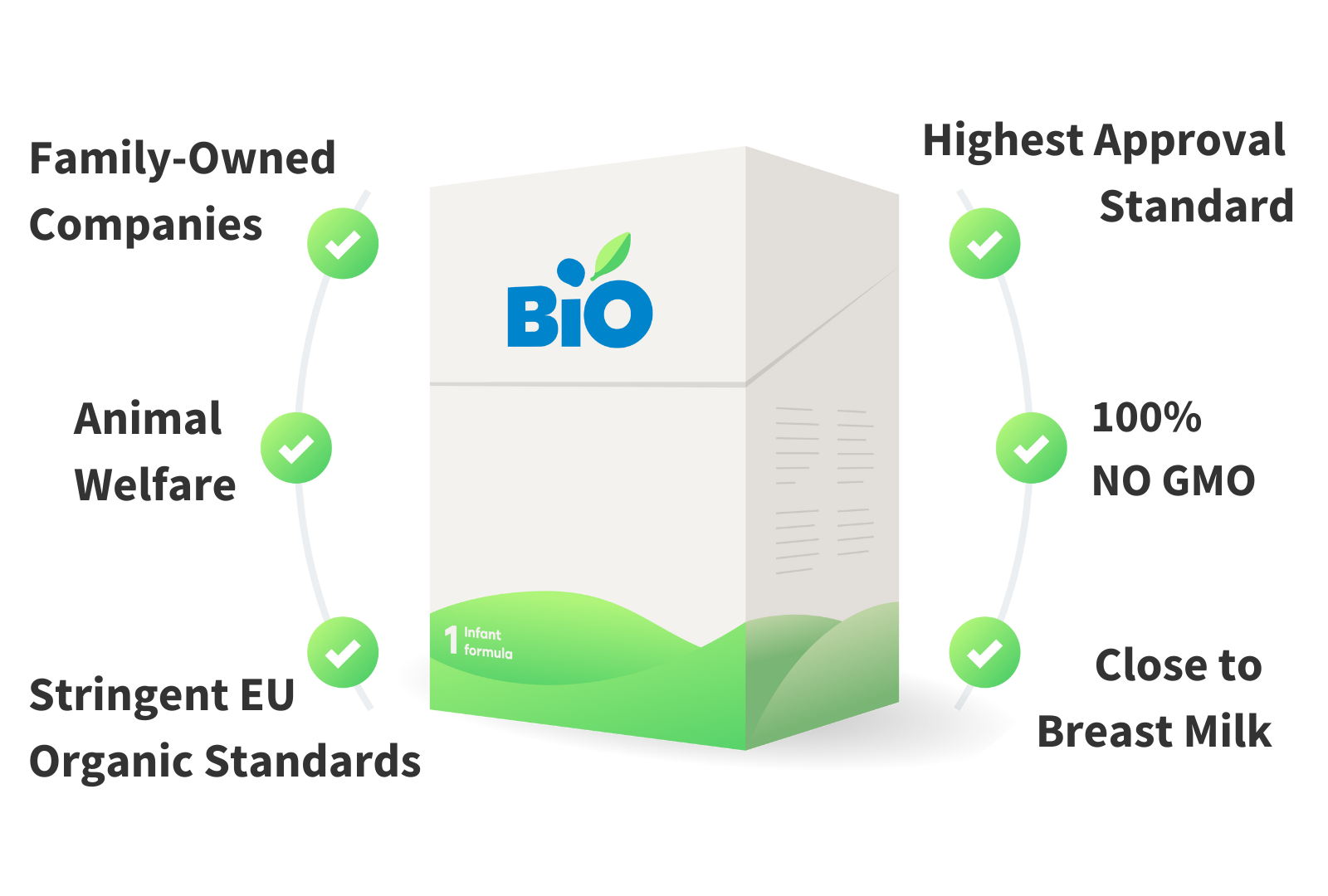
In Europe, the European Commission certifies organic foods, including formula. There are strict standards for what can and can’t be called organic. This guarantees that what’s labeled “organic” in Europe actually meets those standards. The European organic formula brands start from the idea that nature is great. We just need to make non-human milk (cow or goat) more like humans to make it perfect for babies.
Overall, the key differences between European organic formula and standard formula made in North America lie in the quality of the ingredients used, the strict regulations that must be followed, and the nutritional value of the formula. If you're looking for the best possible nutrition for your baby, European organic formula may be the right choice for you.
Top European Organic Baby Formula Brands
OBF24 sells several top-quality European baby formula brands, including Holle, HiPP, Lebenswert, and Löwenzahn. These brands are known for their commitment to providing high-quality, organic baby formula that is free from harmful chemicals and additives. In this section, we will provide an overview of each brand and their unique features.
🍼 Holle
Holle is a Swiss-based baby formula brand that has been producing organic baby formula for over 80 years. Holle's baby formula is made using only the highest quality organic ingredients, and is free from additives, preservatives, and artificial flavors.
🍼 HiPP
HiPP is a German-based baby formula brand that has been producing organic baby formula for over 60 years. HiPP's baby formula is made using organic ingredients that are sourced from their own organic farms. HiPP's baby formula is free from harmful chemicals and additives, and is gentle on your child's digestive system.
🍼 Lebenswert
Lebenswert is a German-based baby formula brand that is known for its commitment to using only the highest quality organic ingredients. Lebenswert's baby formula is made using organic milk from grass-fed cows, and is free from harmful chemicals and additives.
🍼 Löwenzahn
Löwenzahn is a German-based baby formula brand that is known for its commitment to providing high-quality organic baby formula that is free from harmful chemicals and additives. Löwenzahn's baby formula is made using only the highest quality organic ingredients, and is gentle on your child's digestive system.
Comparison of European Organic Baby Formula Brands
While each of these European baby formula brands has its unique features, they all share a commitment to providing high-quality, organic baby formula that is free from harmful chemicals and additives. When choosing the right European organic baby formula brand for your child, it's important to consider your child's nutritional needs and any allergies or sensitivities they may have.
How to Choose the Right European Organic Baby Formula
Choosing the right European organic baby formula for your child can be a daunting task, as there are several factors to consider, including your child's age, nutritional needs, and any allergies or sensitivities they may have. In this section, we will provide a guide to help you choose the right European organic baby formula for your child.
Factors to Consider
Age: European baby formula is typically divided into three stages, with each stage designed to meet the changing nutritional needs of your child as they grow. Stage 1 formula is typically recommended for infants up to six months old, while stage 2 formula is recommended for infants six to 10 months old, and stage 3 formula is recommended for infants over 10 months old.
Nutritional Needs: When choosing European organic baby formula, it's important to consider your child's nutritional needs. Look for formula that contains essential vitamins and minerals, such as calcium, iron, and vitamin D, as well as probiotics and prebiotics to support your child's digestive health.
Allergies and Sensitivities: If your child has allergies or sensitivities, it's important to choose a European organic baby formula that is free from common allergens, such as soy and gluten. Look for hypoallergenic formulas that are designed to be gentle on your child's digestive system.
Stage 1, Stage 2, and Stage 3 Baby Formula
Stage 1 baby formula is designed to meet the nutritional needs of infants up to six months old. Stage 1 formula is typically made with a blend of organic milk and whey protein, which is easier for infants to digest. Stage 2 follow-on formula is designed for infants six to 10 months old, and contains additional nutrients, such as iron and vitamin D, to support your child's growth and development. Stage 3 toddler formula is designed for infants over 10 months old, and contains a higher level of nutrients to support your child's active lifestyle.
How to Prepare and Store European Organic Baby Formula
Preparing and storing European organic baby formula is an important aspect of ensuring your child's health and safety. In this section, we will provide a guide to help you properly prepare and store European organic baby formula.
Here are the general steps for preparing the formula:
Wash your hands and sterilize all the equipment you will be using, including the bottle, nipple, and utensils.
Boil fresh water and let it cool.
Pour the desired amount of water into the bottle.
Add the correct amount of Holle formula powder to the bottle according to the instructions on the packaging.
Close the bottle and shake it well until the powder is completely dissolved.
Before giving the formula to your infant, test its temperature on your wrist.
Storing the formula
Unused European organic baby formula should be stored in the refrigerator, ideally in the back of the fridge, where the temperature is most consistent. It's important to use refrigerated formula within 24 hours, and to discard any unused formula that has been left out at room temperature for more than two hours.
Conclusion
Choosing the right baby formula is a crucial decision that can have a significant impact on your child's health and development. European organic baby formula offers a natural and safe alternative to standard formula made in North America, and OBF24 is proud to offer several top-quality European baby formula brands, including Holle, HiPP, Lebenswert, and Löwenzahn, all of which are made using the highest quality organic ingredients.
When selecting the right European organic baby formula for your child, consider their age, nutritional requirements, and any allergies or sensitivities they may have. Always follow the instructions on the formula packaging carefully and consult with your child's pediatrician if you have any questions or concerns.
We hope that this comprehensive guide to European organic baby formula has provided you with valuable information to help you make an informed decision about your child's nutrition. By choosing OBF24 for your baby formula needs, you can be confident that you are providing your child with the best possible start in life.
We also offer a Best Price Guarantee, so you can rest assured that you're getting the best possible price on European organic baby formula. Shop with us today and experience the difference that high-quality organic baby formula can make for your child.
We should probably start with the lead: Holle makes Lebenswelt. Holle introduced Lebenswert as a less expensive but high-quality organic baby formula option for parents.
The major difference between the two brands is that Lebenswert takes responsible farming and practice to a new level. More than just being organic, the Lebenswert brand is also a biodynamically certified company. This means that they use methods that are better for the land, the plants, and the animals, than even organic farming.
Holle uses Demeter farming standards, which are even more strict. This is why the Holle formulas might be a bit more expensive; the ingredients require a slightly higher level of organic standards.
As with all of these high-quality organic brands, it usually comes down to what your baby tolerates best and likes best. Both brands are outstanding, organic, and much better than the big brand US formulas.
Both HiPP and Holle are certified organic by the European Commission. This is part of the EU government that's tasked with guarding the safety and purity of foods, drugs, and other things in the EU.
Holle formulas are also Demeter Biodynamic Certified, a certification for biodynamic farming. This is a more in-depth certification that considers animal welfare, biodiversity, ecosystem preservation, and more.
Both HiPP and Holle have a range of healthy options at a reasonable price. In addition, both offer formulas with a similar nutritional profile as that of breast milk so you can provide the very best nutrition for your little one! For a quick overview of the differences and similarities between Holle and HiPP as they relate to specific ingredients, check out our baby formula comparison chart.
The choice is personal - in truth, both products are far superior to their American counterparts, even if only for the fact they're organic. Both provide complete nutrition and health. There's really no way to go wrong with either HiPP or Holle. It's a matter of trying the two and seeing which brand baby likes best.
Comparing Loulouka and HiPP Formula is a study in more similarities than differences. Both are organic and formulated according to the EU’s extremely high standards. In addition, both companies adhere to strict farming practices to ensure that everything in their formulas is top quality.
Both brands also make sure their baby formula range is packed full of good stuff, including key vitamins and minerals that aid with growth and development.
You can rest assured that Loulouka and HiPP Formula contain quality ingredients, but one of the things parents love best about HiPP Formula is that it’s kind and gentle on your baby’s stomach. For this reason, it’s a brand you can trust.
One thing that Loulouka does edge HiPP Formula over is that they completely avoid the use of palm oil in their products, replacing it with coconut oil which is far more sustainable.
If avoiding palm oil is important to you, then Loulouka is the choice. If you’re looking for a great formula for your baby, either company offers a great product; choose the one that your baby likes best. For babies that have a hard time with regular formula, look at HiPP Hypoallergenic formula.
Use our comparison chart to understand the differences between the best Organic Baby Formulas from Europe across the most important categories.
You're busy, so rather than a long, drawn-out post on the best baby organic baby formulas, we're going to make it short and easy:
LEBENSWERT ORGANIC STAGE 1 - is specifically formulated for babies under six months old. Since infants often spend most of their time sleeping at that age, stage 1 is less calorie-dense than later stages. It's designed to have the complete nutrition that a baby needs to grow big and strong.
LOULOUKA STAGE 1 - A relative newcomer to making formula, Loulouka has done a great job creating unique, organic baby formulas. Their formulas contain no palm oil, opting for coconut oil instead.
HOLLE GOAT MILK STAGE 2 - If your baby has had a tough time digesting cow's milk, the Holle Goat Stage 2 is an excellent choice. Made from sustainable, organic ingredients and without sucrose or GMO ingredients, this is a well-rounded formula, even if the baby likes it better.
HIPP COMBIOTIC STAGE 2 - With its simple list of ingredients, this formula for 6 - 12 months old is perfectly balanced to help babies grow well. This is the right choice if you're transitioning from breastmilk to formula; it's designed to mimic breast milk at this stage, so your baby doesn't miss any of his nutrition.
Note that it can be important to stick with one brand of formula. For example, if you start your baby on Loulouka 1, it's usually easier to continue with that brand rather than switch around. If, however, your baby isn't eating well, is not tolerating the formula well, or is outgrowing formulas too fast, it might be worth switching to see if a different brand works better.
The nutrient composition of European formulas is close to breast milk, and they exclude some ingredients, like corn syrup and guar gum, that just aren't helpful in a baby's first food. Clean, nutritious, and organic formulas like HiPP, Loulouka, Holle, and Lebenswert have been enjoyed by countless babies in Europe, the United States, Canada, and around the world.
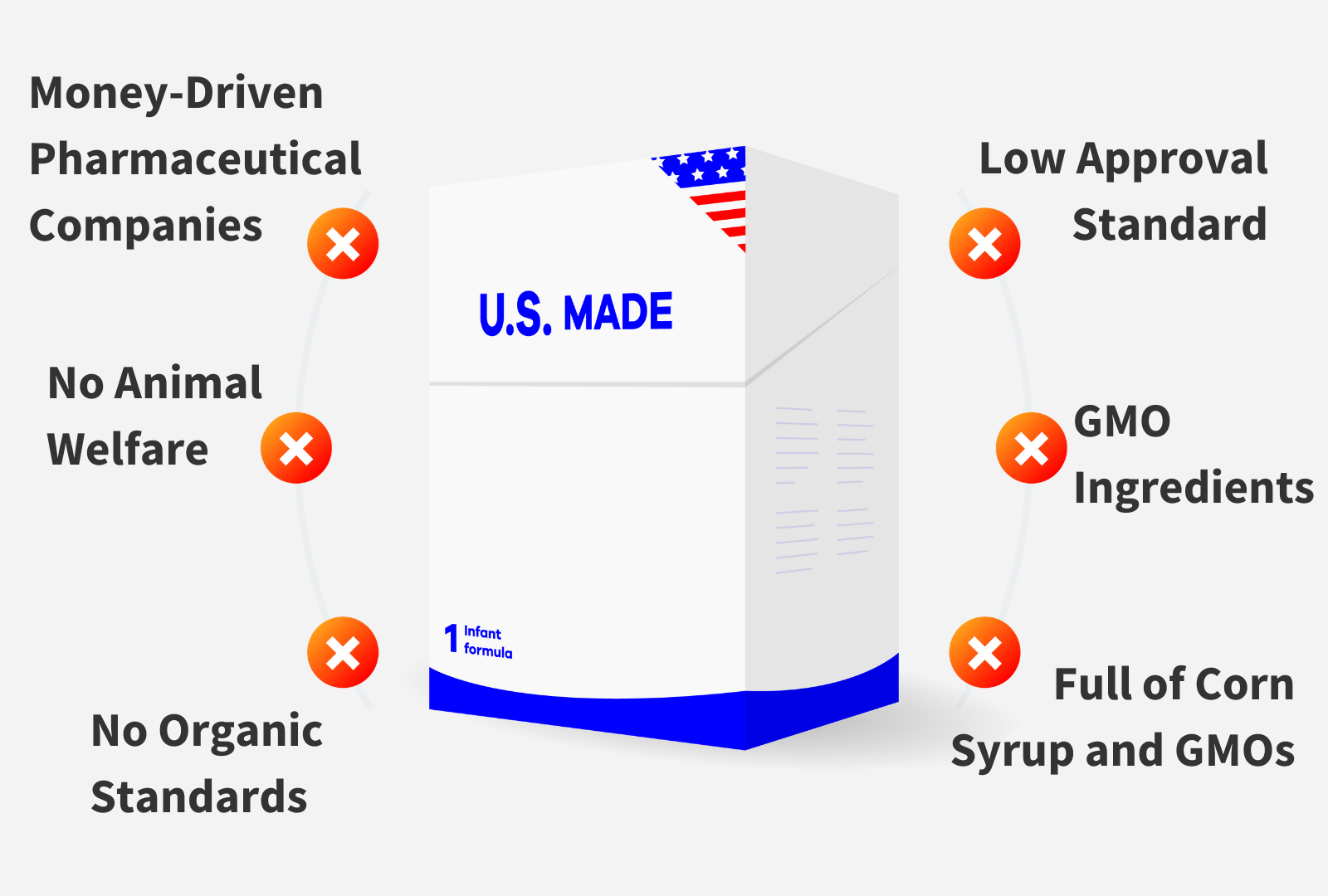
The US Food and Drug Administration (FDA) doesn't regulate organic certification. While they might offer some guidance regarding what organic should be, they don't test or approve anything. This means private companies do these certifications. A private company certifies that its customers' products are organic. There's a bit of conflict of interest there. In Europe, the European Commission certifies organic foods, including formula. There are strict standards for what can and can't be called organic. This guarantees that what's labeled "organic" in Europe actually meets those standards.
US baby formula brands are, for the most part, owned by pharmaceutical companies. As a result, their labels tend to read like a long list of chemicals, whereas European organic formulas have whole ingredients with added vitamins. We won’t comment on whether American formulas are fully nutritious, but if you’re looking for organic formulas, the European versions are much more reliable.
American standard baby formulas do not contain any organic ingredients, which means these formulas are loaded with pesticides and GMOs, which have not been proven to be safe for human consumption. The first ingredient in this formula is corn syrup. In other words, highly processed genetically modified sugar. Similac and other "standard" formulas have enabled babies to be addicted to sugar from day one.
The European organic formulas, like HiPP, Holle, Lebenswert, and Loulouka, start from the idea that nature is great. To make it perfect for babies, we just need to make non-human milk (cow or goat) more like humans. When it comes to baby formula, less is more. The Europeans use nature to make the best formula in the world. Any comparison of ingredients will make this self-evident.
Demeter and Bioland certifications are very strict about the use of chemicals, the rotation of crops, and the treatment of animals. Both certificates are hard to get. It can take years to convert a farm from a pesticide and additive-based farming practice to these very high standards.
Demeter farming has somewhat stricter animal welfare standards. For example, cow horns can’t be removed by Demeter farmers. This might actually impact the taste of the milk.
Demeter milk farmers can only use feed from other Demeter farms. There are never any added chemicals or antibiotics.
No chemical fertilizers can be used on a Demeter farm. However, bioland farming allows small quantities of nitrogen/copper fertilizers.
While Demeter standards are incrementally higher, by American standards, either of these certifications is light years ahead of “organic” certification for most American farms.
In the US, infant formula is sold as a sort of one-size fits all product, regardless of whether your baby is 1 month, 6 months, or 11 months old. In Europe, a more nuanced set of stages allows a parent to give their baby formula that will better fit their current nutritional needs as they grow from a newborn to a one-year-old and beyond. There are 4 stages to most major European formula brands.
Every box of formula has the ages on it. Choose the one that baby is in.
Yes. As a child grows and changes, so do his nutritional requirements. To ensure your baby is getting all of the nutrients he needs to grow and thrive, we recommend you use the stage of formula that corresponds with his age. European Formula manufacturers have spent many years perfecting formulations to ensure every stage of your baby’s dietary needs is met.
The biggest difference between Holle Stage 1 and Holle PRE is maltodextrin.
The Holle Stage PRE has NO maltodextrin but instead substitutes organic lactose to provide additional nutritional content, while Holle Stage 1 formula does contain maltodextrin. Both are exceptional formulas, and it’s really a matter of personal preference which one you choose.
The biggest difference between HiPP Combiotic Stage 1 and HiPP Combiotic PRE is starch.
Combiotic PRE has NO starch but instead substitutes organic lactose to provide additional nutritional content, while HiPP Combiotic Stage 1 formula does contain starch. However, both are exceptional formulas and it’s really a matter of personal preference which one you choose.
The biggest difference between HiPP Hypoallergenic Stage 1 and HiPP Hypoallergenic PRE is starch.
The HiPP Combiotic PRE has NO starch but instead substitutes organic lactose to provide additional nutritional content, while HiPP Combiotic Stage 1 formula does contain starch. Both are exceptional formulas and it’s really a matter of personal preference which one you choose.
Did you know that most hospitals and pediatricians have a contract with baby formula manufacturers who have paid millions of dollars to market their formula to you in the hospital? So why settle for something sub-par when you can find the best nutrition for your baby?
We understand why you may be skeptical about choosing a formula that was not recommended to you by a healthcare provider, but we urge you to take a good long look at the formula’s ingredient list. Most formulas do not contain any organic ingredients, which means these formulas are loaded with pesticides and GMOs, which have not been proven to be safe for human consumption. The first ingredient in this formula is corn syrup. In other words, highly processed genetically modified sugar.
European organic formulas are produced without using any toxic substances. The ingredients are safe, natural, nutritious, and wholesome. No pesticides, chemical fertilizers, GMOs, or added sugar!
Maltodextrin is a plant-based sweetener. The primary characteristics of Maltodextrin is its high solubility, easy and rapid digestibility (high glycemic index), and low sweetness. These characteristics work well in baby formula. High solubility means that the powdered formula will dissolve quickly and smoothly, which makes the formula easier for a baby to drink.
The use of Maltodextrin in infant formulas is widely accepted, and there have been no known disadvantages to consuming formulas with Maltodextrin.
Probiotics are "good" bacteria that populate the digestive tract. Adding probiotics to your baby's diet will encourage the growth of healthy gut flora, with the added benefit of helping to alleviate and prevent constipation. There are many different strains of probiotics, including Bifidobacterium and Lactobacillus, which are all part of a healthy baby's microbiome. Probiotics have many beneficial effects, such as improving immune response, reducing colic, and preventing eczema. Making sure that formula-fed babies are getting probiotics in their diet can help replicate the immunity-boosting properties of breast milk, particularly since around 30% of a breastfed baby's microbiome comes from the natural probiotics found in breast milk.
When selecting a formula with probiotics, check the ingredients list for Lactobacillus or Bifidobacterium.
DHA and ALA are omega-3 fatty acids. DHA fatty acids include fish oil, egg oil, squid oil, and krill oil. ALA fatty acids include walnuts, edible seeds, clary sage seed oil, algal oil, flaxseed oil, and hemp oil. DHA is a component of the brain and eye tissue development. But the DHA and ALA added to most infant formula brands is not identical in structure to the fatty acids found in breastmilk.
There have been no studies that have found a benefit to adding DHA to the formula. Several published studies conclude that adding DHA and ALA "had no proven benefit regarding vision, cognition, or physical growth." Both breast milk and Organic formulas contain essential fatty oils for brain health.
We only source our authentic organic formulas directly from the manufacturers rather than third-party suppliers, so counterfeit products are impossible. All of our formulas are shipped directly from Germany. They are stored in our climate-controlled warehouses until a customer places an order, so we have oversight of the product throughout the distribution process.
All of our customers must receive baby formula in completely intact packaging. If, for some reason, your purchase arrives and appears damaged in any way, please let us know and send us a picture. We are really serious about ensuring that our customers receive their baby formula on time and never have to worry about verifying the product's authenticity or checking up on its quality.
Yes! Palm oil is one of the few vegetable oils that’s naturally rich in saturated fat. Most other vegetable oils are rich in monounsaturated and polyunsaturated fats. By combining palm oil with rapeseed oil and sunflower oil, the mixture provides a good fatty acid profile that meets nutritional requirements for infants.
No results.
🎁 GET 2 FREE BOXES NOW!
Sign up below and receive a coupon code for 2 extra boxes of formula for free! *For new customers only
🎁 GET 2 FREE BOXES NOW!
Sign up below and receive a coupon code for 2 extra boxes of formula for free! *For new customers only
🍼 OBF24™ BLOG
A blog that makes the first year of feeding your baby as easy and stress-free as possible. Get in-depth guides and information about how to find and get the best organic formulas.
Searching for the perfect baby formula can be overwhelming, but we're here to simplify the journey. Explore our chart to give your baby the best start possible.
Discover eco-friendly choices for your little one. From cloth diapers to wooden toys, explore sustainable baby products that benefit both your child and the planet. Join us in nurturing a more environmentally conscious future!
Discover the key to a happy, healthy baby! Learn how to create a balanced feeding schedule that suits both you and your little one. From the first few weeks to the toddler stage, we've got you covered.
Traveling with a formula-fed baby can be a manageable and stress-free experience with some preparation and the right strategies in place. Here are some tips for on-the-go feeding when traveling with a formula-fed baby.
Escape the Colic Chaos: European Organic Formula . Learn about anti-colic bottles, shared parenting, and probiotic magic. Jana shares her survival guide!
Today, we're diving into something as heartwarming as a cuddle and as essential as a diaper change: the wonderful world of bonding with your little one.
Discover the nuances of these brands, from farming practices to ingredient lists, as we explore which might be the best fit for your little one's needs.
Many baby formulas appear similar at first, but any detailed comparison will make it self-evident: the world's best baby formulas come from Europe.
🇪🇺 EUROPEAN FORMULA vs. AMERICAN FORMULA 🇺🇸
Many baby formulas appear similar at first, but any detailed comparison will make it self-evident: the world's best baby formulas come from Europe.
Move to compare
Move to compare
🍼 OBF24™ Best Price Guarantee
We’re a bunch of parents too, so we totally get how crucial these early years are for giving your little one a great kickoff in life 🚀. That’s exactly why our ultimate mission is to ensure that babies and families worldwide 🌎 can access safe and healthy organic baby formulas - at an affordable cost.
Our Best Price Guarantee 🤝 ensures that you get the best possible price on European Formula 🤑.
Should you find a lower price elsewhere within 48 hours of ordering, we will match the lower rate and top it off with a $10 credit! In addition, we provide fully insured 2-day shipping for all orders 📦, ensuring that your formula arrives at your doorstep as quickly and safely as possible. 🚀