Organic Toddler Formula from Europe (Stage 3 & 4)
Shop organic toddler formula from Europe, designed to sit alongside solid foods and support your toddler from around 10 months onward with a familiar, age-appropriate milk-based option.
✅ Authentic, directly from official EU suppliers
✅ No customs fees – the price you see is the price you pay
✅ Fully insured shipping in 1-3 business days with UPS Express
3 Helpful Things to Know Before Choosing Toddler Formula
What Is Toddler Formula Used For?
Toddler formula is a milk-based option for older babies and toddlers who are eating more solid foods and relying less on milk as their main source of nutrition. It's not a requirement at this age, healthy toddlers can get everything they need from a varied diet and whole milk, but many parents use Stage 3 or Stage 4 formula as a familiar, convenient way to round out feeding during a period of a lot of change. European versions are made with organic ingredients, clear stage guidance, and none of the added sugars found in some toddler milk drinks.
When Should My Baby Switch to Stage 3 or Stage 4 Formula?
Stage 3 is often introduced from around 10 to 12 months, while Stage 4 is usually designed for toddlers from around 12 months and older, depending on the brand. There's no single right day to switch. Your child's age, diet, appetite, and feeding routine all play a role, and many families move through it gradually rather than all at once.
Which European Toddler Formula Is Best?
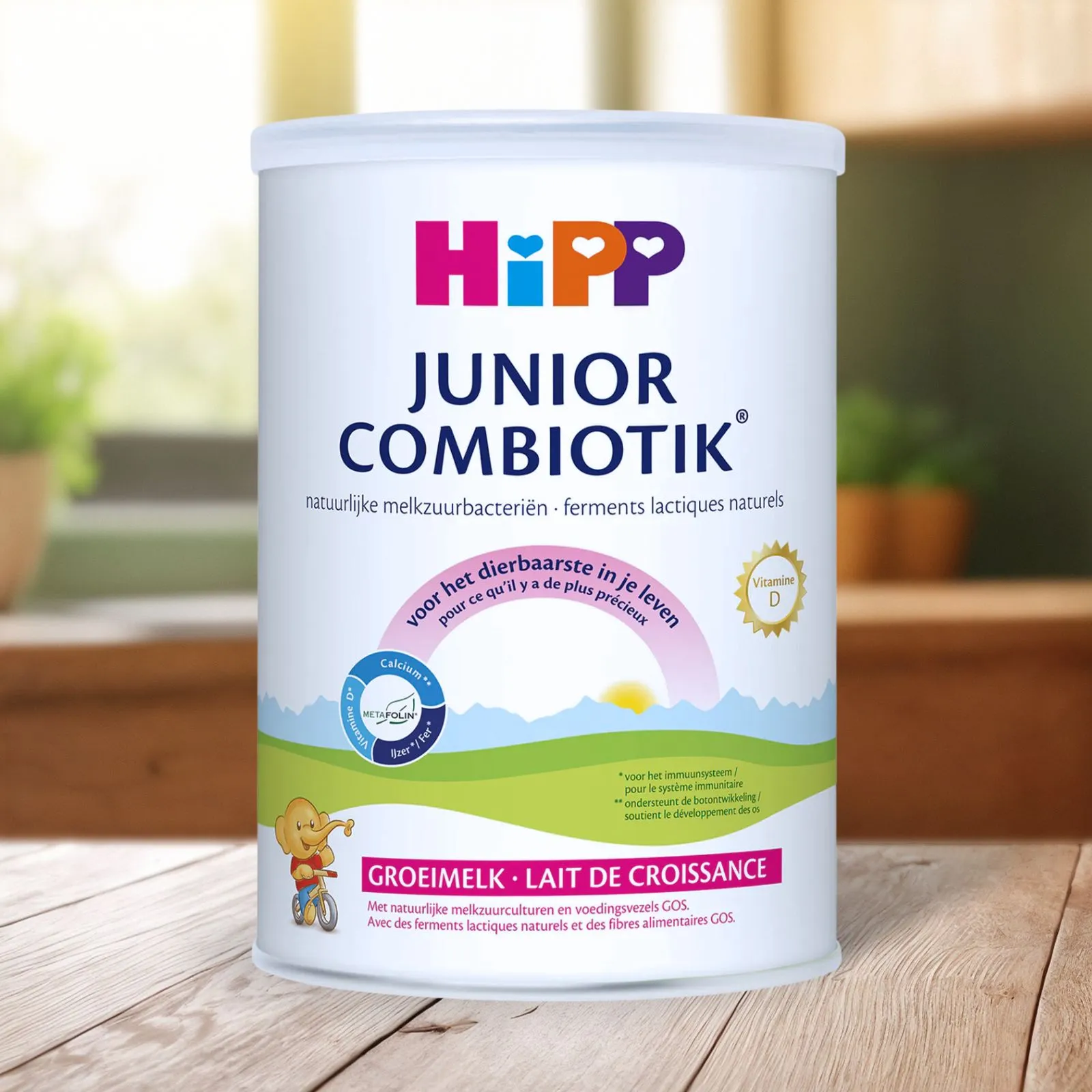
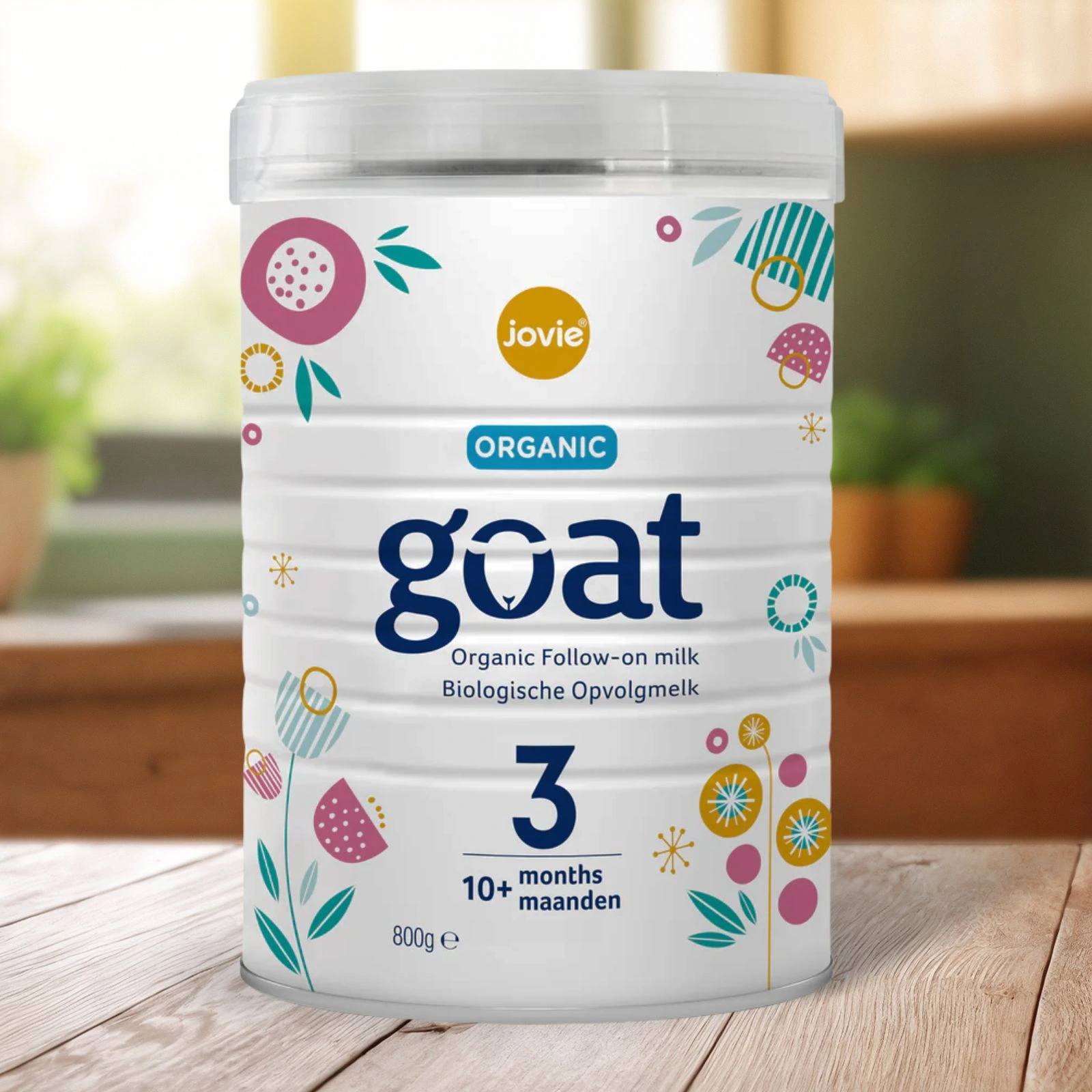
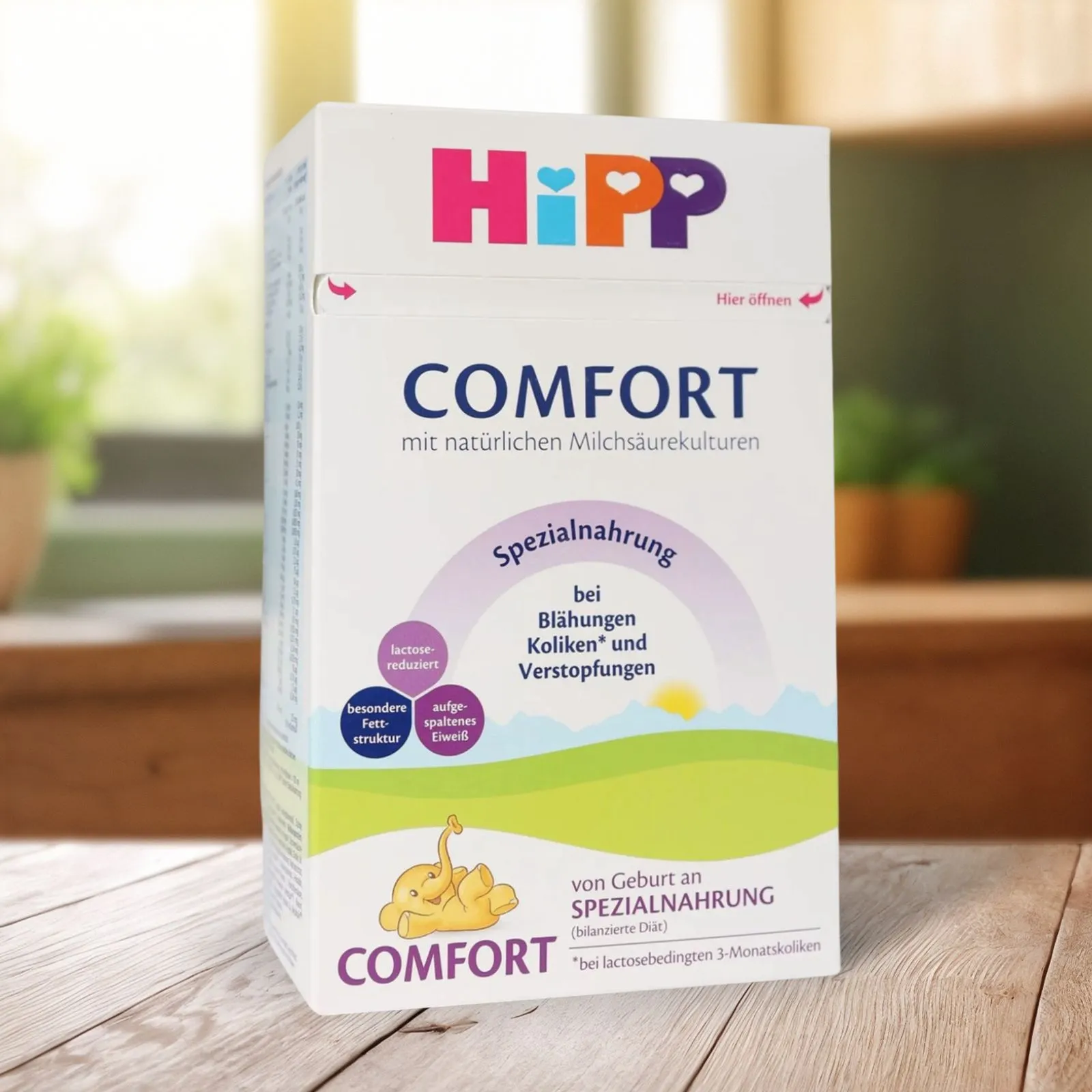
The best European toddler formula depends on your child’s age, feeding routine, and brand preference. Popular organic toddler options include HiPP Stage 3, HiPP Junior, Holle Stage 3, Holle Stage 4, Jovie Stage 3, and Kendamil Stage 3, with both cow milk and goat milk choices available.
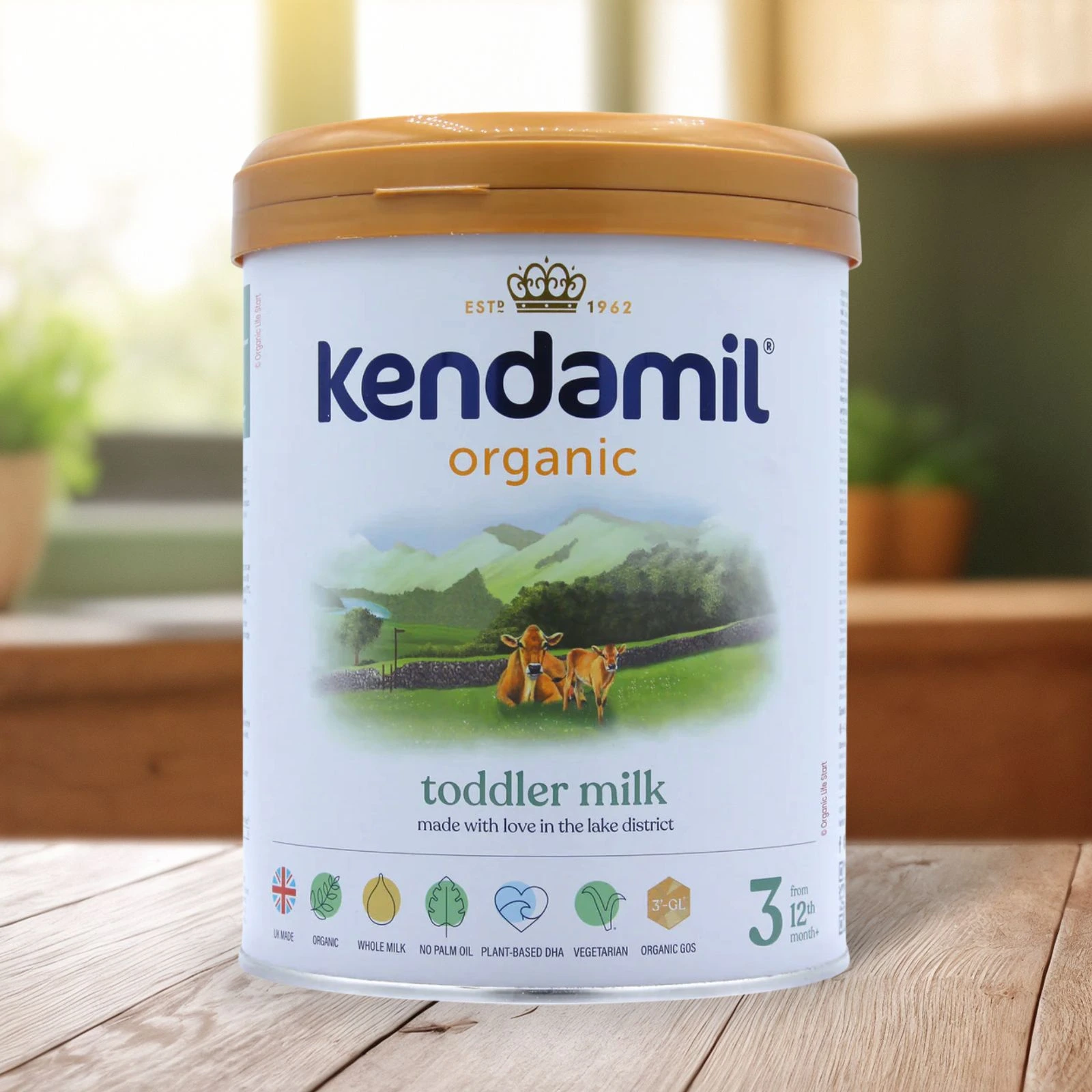
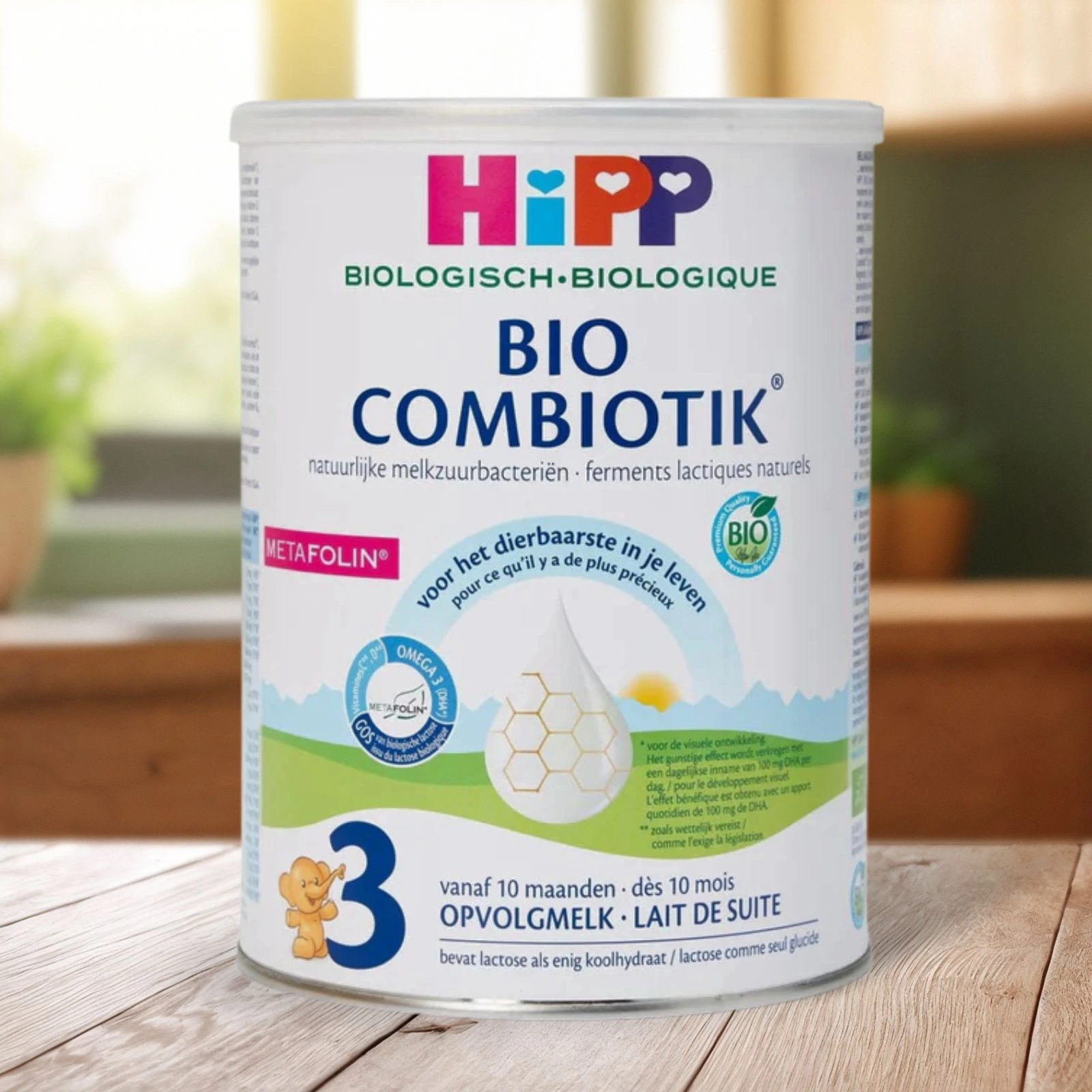
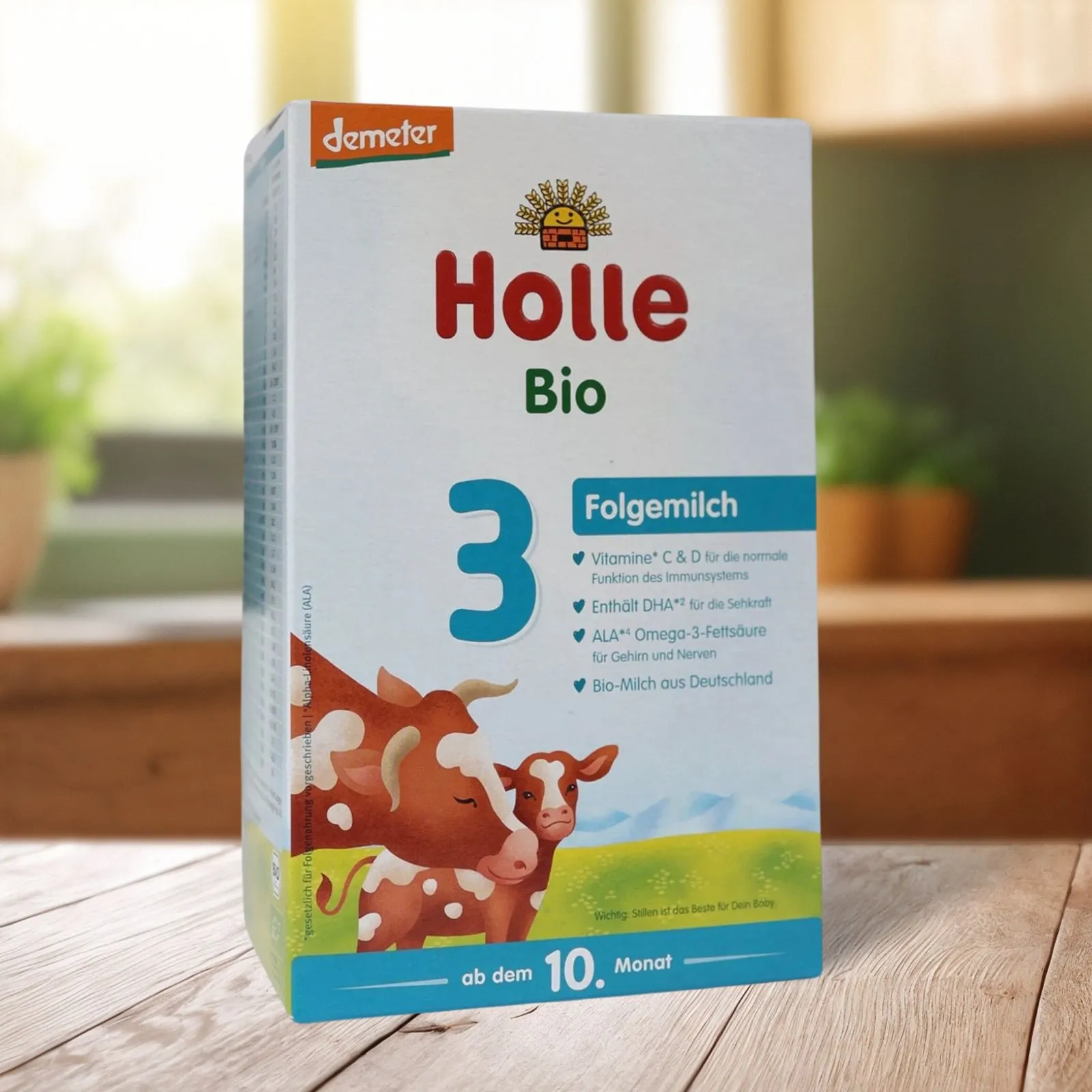
Content: 600 g ($5.67 / 100.00 g)
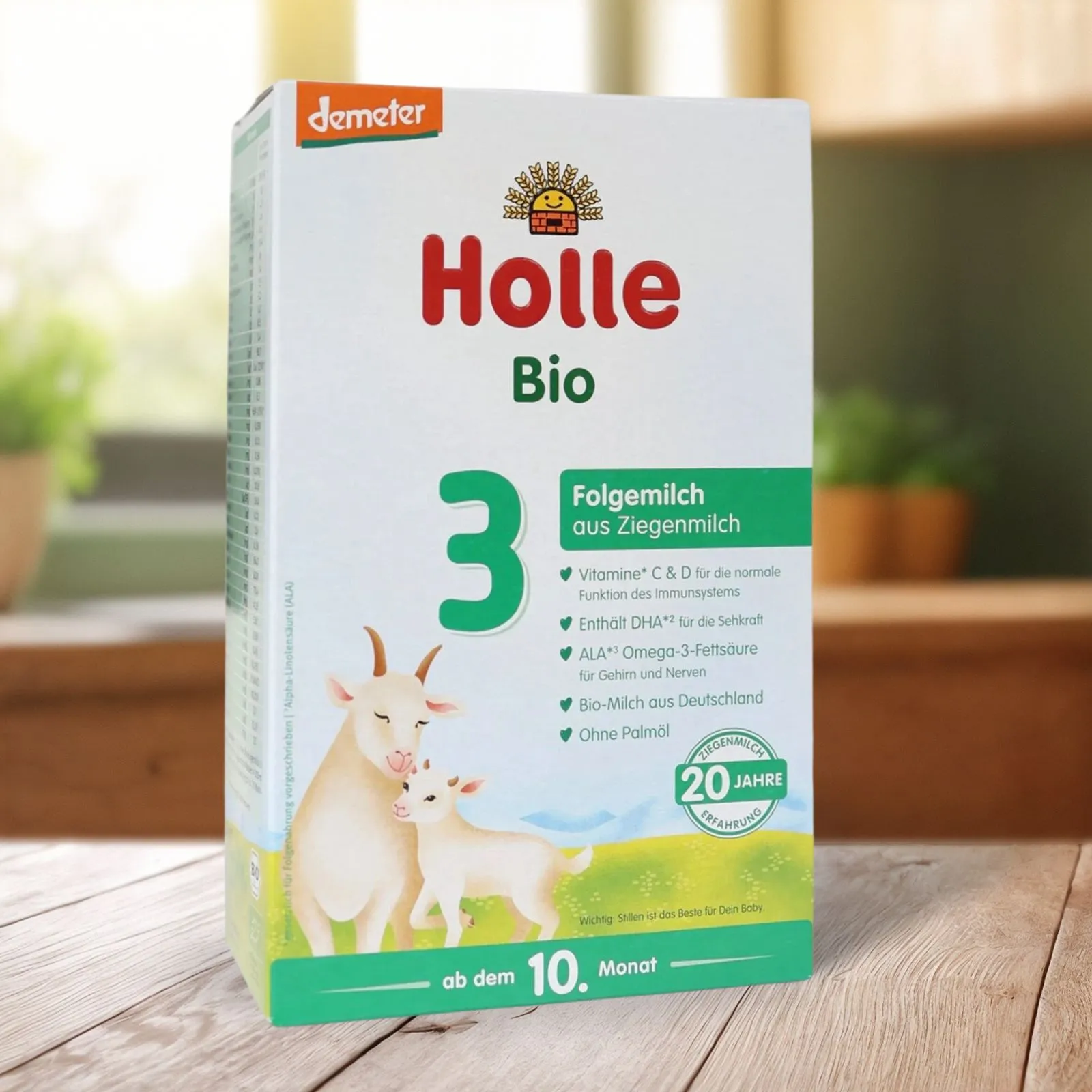
Content: 400 g ($5.74 / 100.00 g)
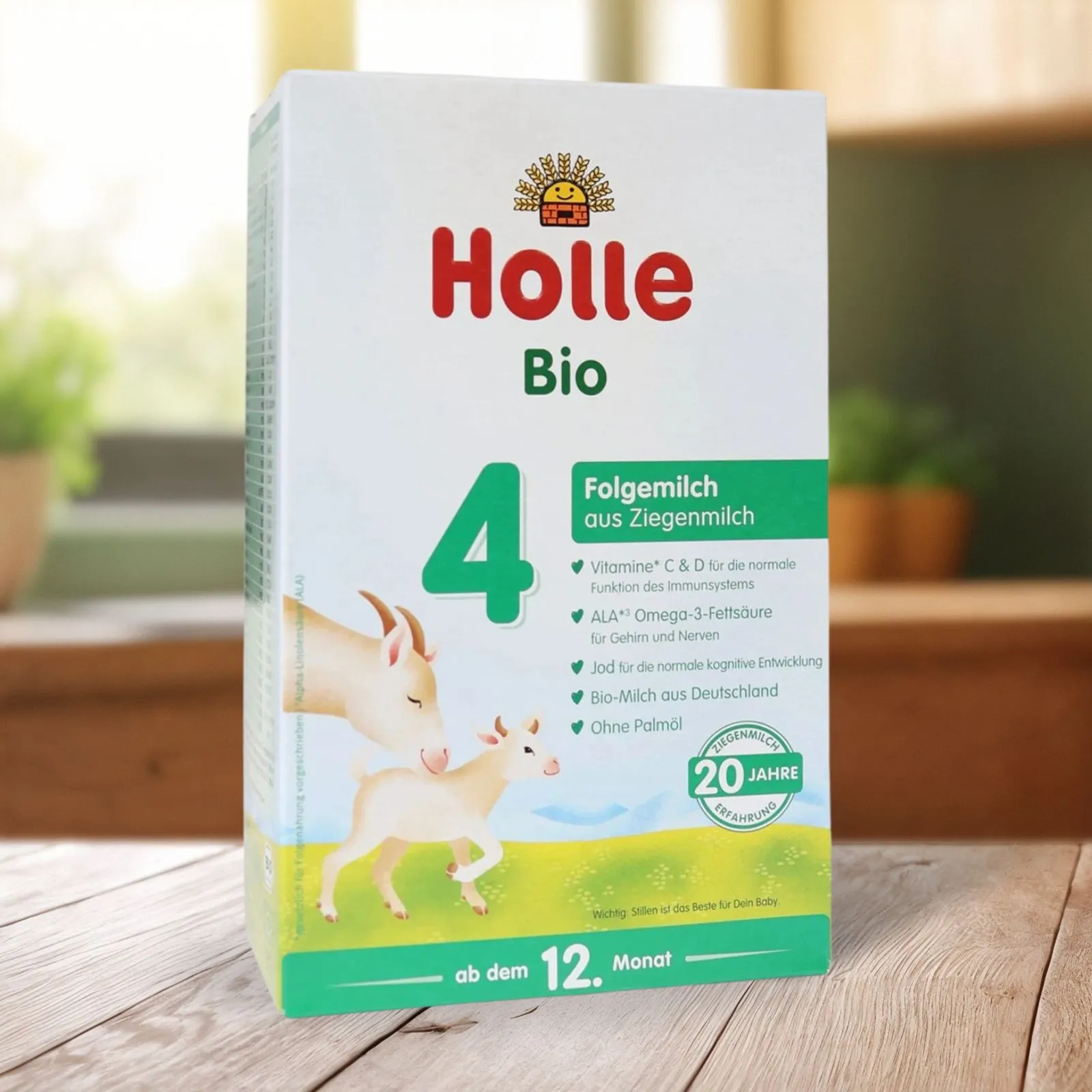
Content: 400 g ($8.50 / 100.00 g)
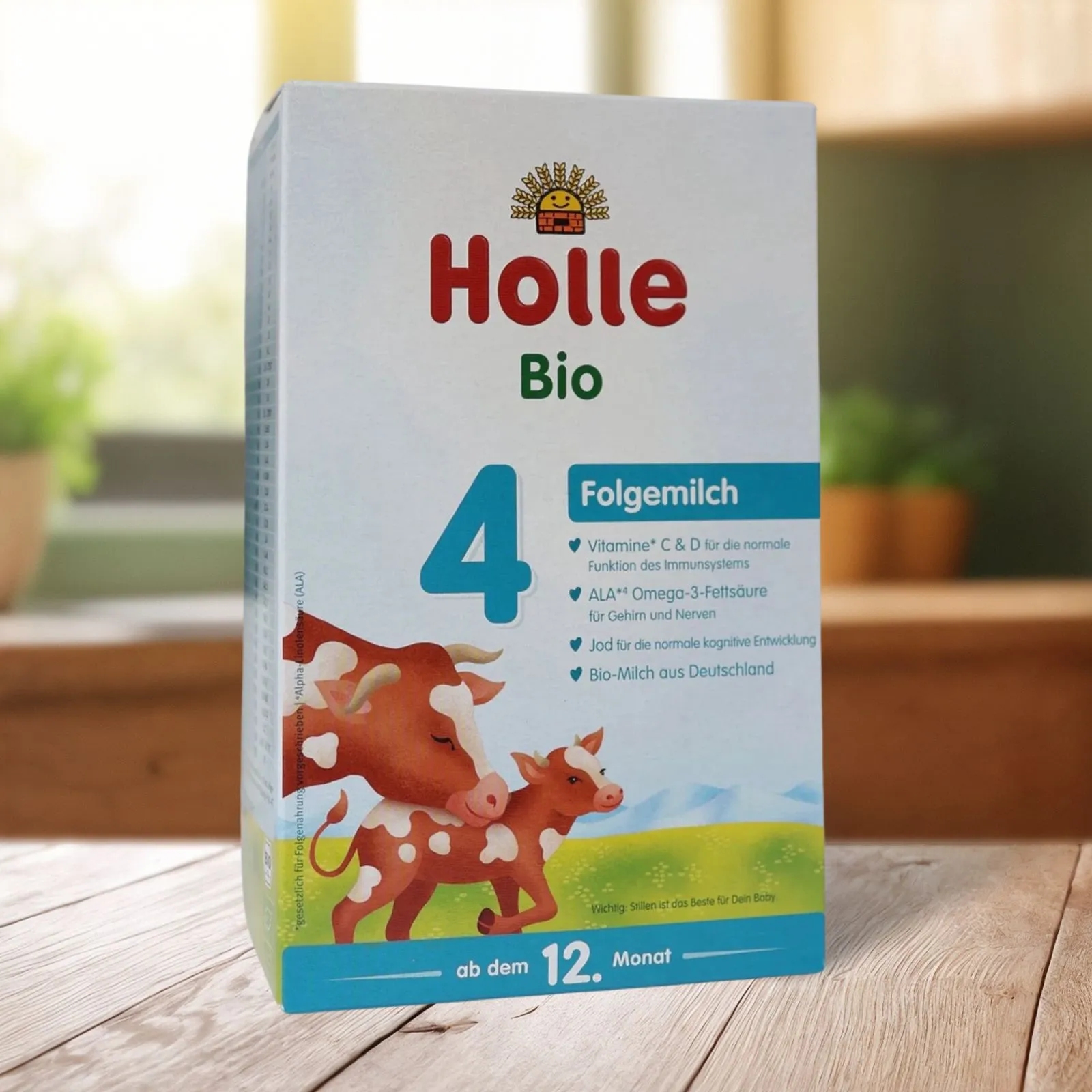
Content: 600 g ($3.33 / 100.00 g)
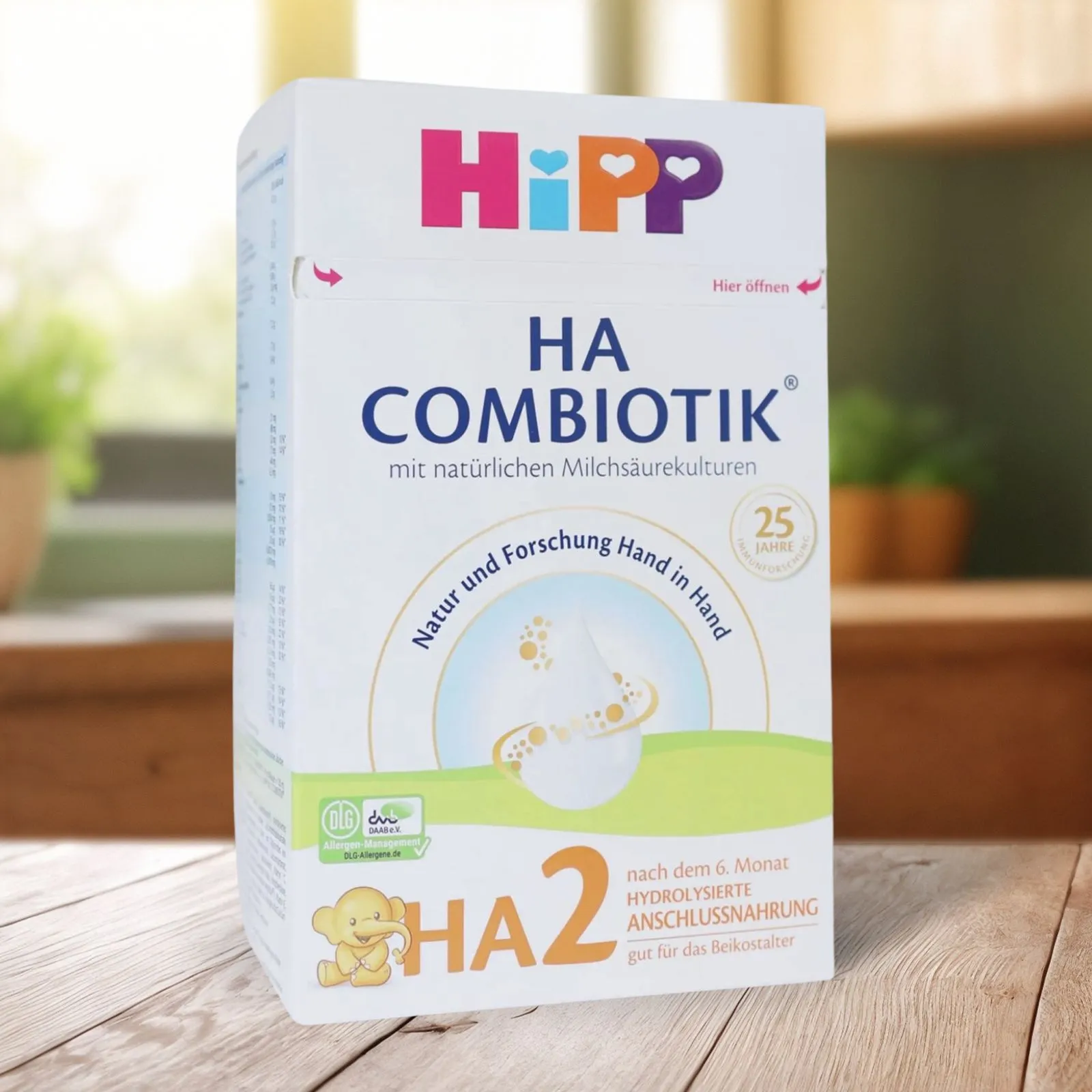
Content: 600 g ($7.00 / 100.00 g)
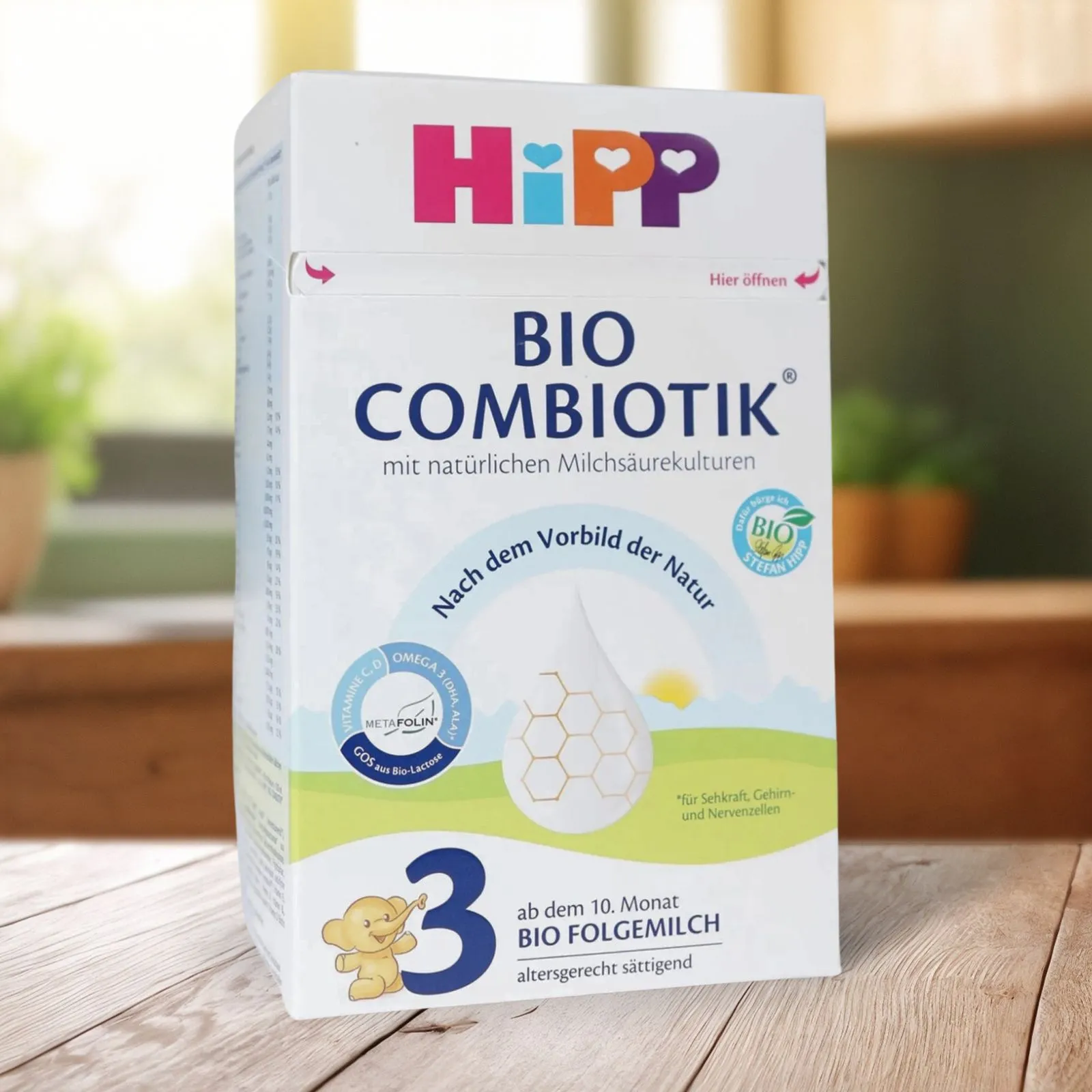
Content: 600 g ($4.99 / 100.00 g)
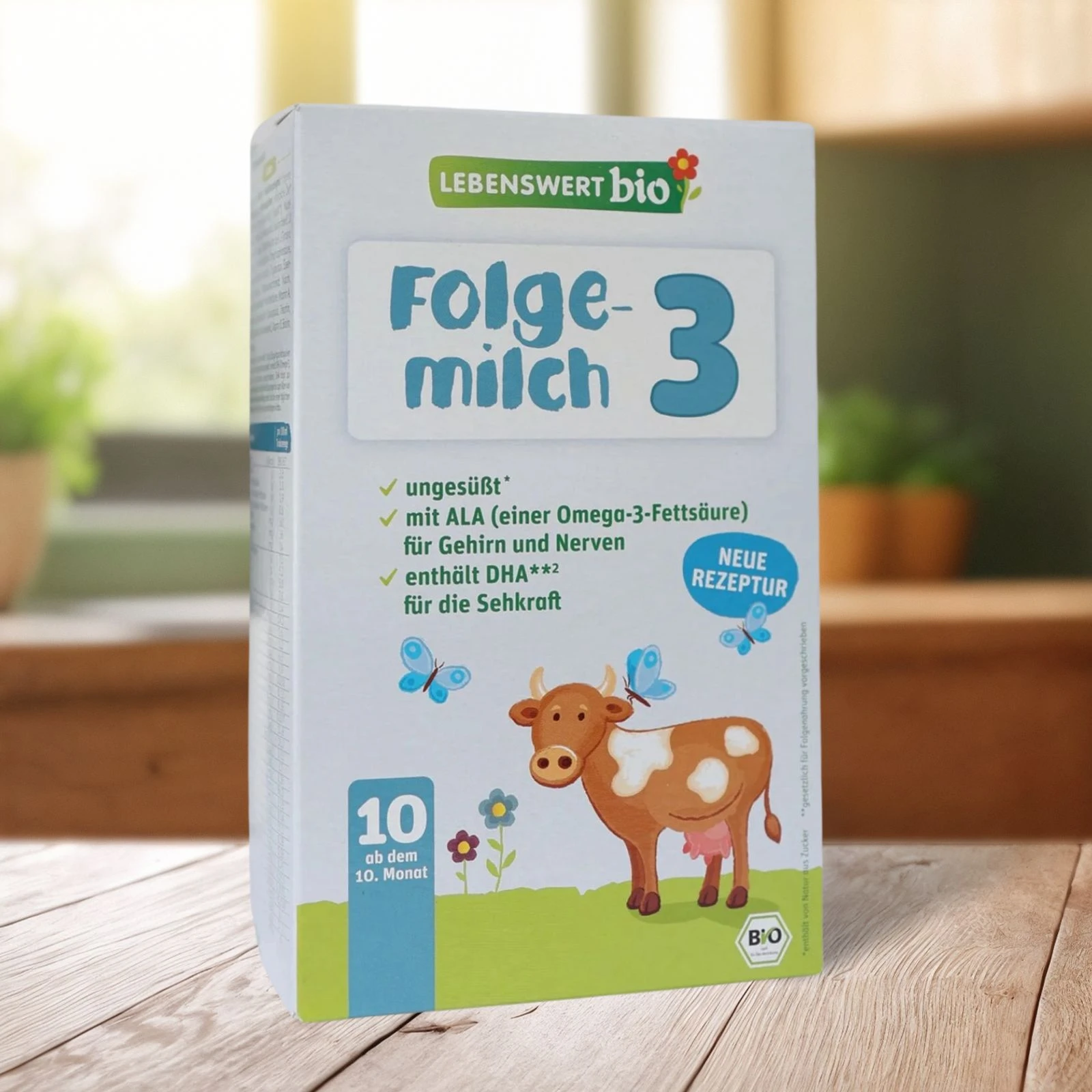
Content: 6 Boxes ($29.99 / 1.00 Boxes)
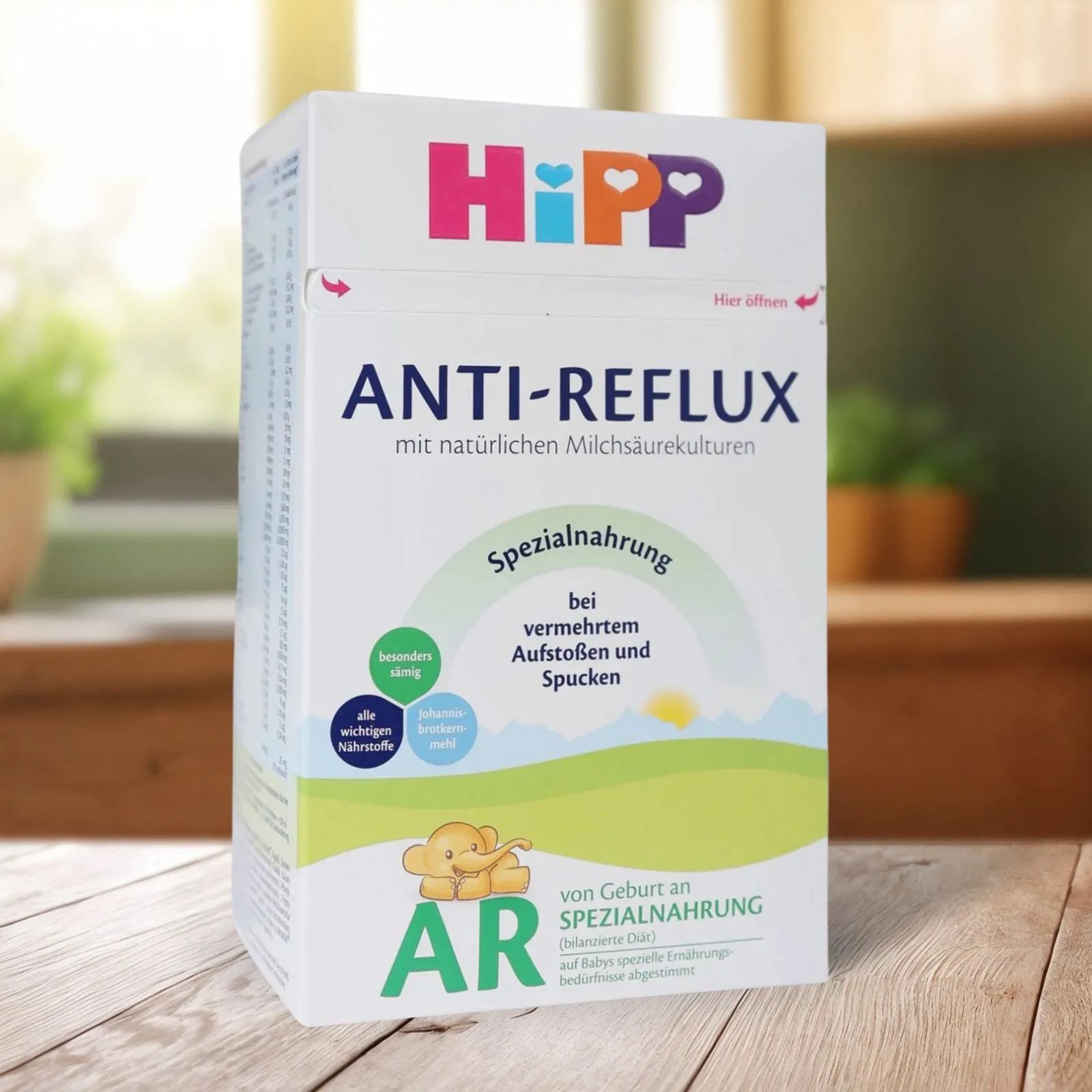
Content: 500 g ($7.60 / 100.00 g)
Why European Organic Toddler Formula Can Make a Real Difference
As babies become more active, curious, and mobile, their nutritional needs evolve, and their diet naturally becomes more varied. European organic toddler formulas are built to complement that shift: a gentle, familiar milk-based option alongside solid foods, made with organic ingredients and a transparent recipe, rather than a replacement for a balanced diet.

A Familiar Complement to a Growing Diet
European organic Stage 3 and Stage 4 formulas are designed to complement solid foods while supporting your toddler’s increased energy needs during a more active phase of development. Balanced nutrients help bridge the gap between baby formula and family meals.

Organic Ingredients, Clearly Sourced
Our European toddler formulas are made with certified organic ingredients under EU organic farming rules, sourced directly from official suppliers. That means clear ingredient sourcing and no GMOs, without the higher regulatory bar that applies specifically to infant and follow-on formula in earlier stages.

A Smooth Transition Toward Family Meals
Stage 3 and 4 formulas are often chosen to keep feeding routines familiar as children move toward eating more like the rest of the family. The gentle, milk-based foundation offers continuity while dietary variety naturally increases.

European Organic Toddler Formula (Stage 3 & 4) – What Parents Should Know
European organic toddler formulas are designed for babies from around 10 months onward,
when solid foods become a regular part of daily nutrition. They're made with organic,
clearly sourced ingredients and follow a stage system that adapts as your child grows,
but unlike infant and follow-on formula, they aren't classified or regulated as strictly
by EU law, since toddlers at this age are expected to get most of their nutrition from
food rather than milk.
This guide explains how European toddler formulas fit alongside a mixed diet, how Stage 3
and Stage 4 differ from earlier stages, and what to consider when deciding whether, and which,
toddler formula is right for your family.
Organic Toddler Formula (Stage 3 & 4)
As babies grow beyond infancy, milk naturally becomes a smaller part of the picture. Organic toddler formulas (Stage 3 and Stage 4) are designed for babies from around 10 months onward, when solid foods play a central role and milk becomes a complementary part of daily nutrition rather than the sole source.
Our European toddler formulas are made under EU organic farming and food safety rules, with clearly defined ingredient sourcing and labeling standards, offering a transparent, trustworthy option for families who want to keep things simple during this transition.
Where Toddler Formula Can Fit In
Between 10 and 12+ months, babies become increasingly active and independent, crawling, standing, and often starting to walk, while eating patterns become more varied as table foods take hold. For most healthy toddlers eating a good variety of foods, this stage doesn't require a special formula: whole milk and a balanced diet are enough.
That said, some parents find a toddler formula useful during picky eating phases, periods of rapid growth, or simply to keep a familiar routine going as everything else changes. It's meant to complement your toddler's diet, not replace it.
Supporting Energy, Growth & Daily Routines
Compared to earlier stages, Stage 3 and Stage 4 formulas are adapted to toddlers who are more active and consume a wider variety of foods. Nutrient profiles support ongoing growth while fitting into mixed feeding routines. Carefully balanced carbohydrates, fats, and proteins help support sustained energy, muscle development, and overall vitality — especially during busy, active days.
Balanced Nutrition with Everyday Digestive Comfort
Although digestion matures as babies grow, tolerance remains important. European organic toddler formulas are developed for everyday use, focusing on clean ingredient lists and gentle processing. This helps maintain digestive comfort while toddlers adapt to new textures, flavors, and eating patterns — supporting calm routines for both parents and children.
Organic Quality You Can Trace
Our organic toddler formulas are produced under EU organic certification, which regulates permitted ingredients and farming practices, and prohibits GMOs, artificial flavors, and unnecessary additives. It's worth noting that this stage of formula (for children 12 months and older) isn't held to the same strict composition rules as infant and follow-on formulas in the EU. However, through the organic certification and the well-known manufacturer quality, transparency, safety, and consistency are ensured.
Stage 3 & Stage 4 Compared to Earlier Formula Stages
European baby formulas follow a gradual, stage-based approach rather than a one-size-fits-all model. Here's how the stages differ:
Stage 2 (Follow-On Formula)
Stage 3 & Stage 4 (Toddler Formula)
Stage transitions are flexible. There is no fixed day to move up, and many families adjust based on appetite, activity level, and comfort rather than strict age cutoffs.
European vs US Toddler Formula
European and US toddler formulas are both less strictly regulated than infant formula in their respective regions, since toddlers this age are expected to get most of their nutrition from food. The difference tends to come down to ingredient philosophy rather than regulation: European organic brands typically lean on lactose-forward recipes, organic and often palm-oil-free ingredients, and a clear stage system, while some US toddler milk products lean more heavily on added sugars. It's worth reading the ingredient list either way.
Choosing the Right Organic Toddler Formula
The right toddler formula, if you choose to use one at all, depends on your child's eating habits, activity level, and individual tolerance. Some families prefer simple, lactose-based recipes, while others lean toward whole-milk-based options or a goat milk formula. If your toddler has a diagnosed allergy, a poor weight gain concern, or another specific medical need, it's worth talking to your pediatrician before choosing a formula.
Toddler Formula – Frequently Asked Questions
When should I start Stage 3 or Stage 4 formula, and when should I switch from infant formula to toddler formula?
Stage 3 formulas are typically introduced from around 10 to 12 months, while Stage 4 formulas are designed for toddlers 12 months and older, depending on the brand. There's no single day your baby needs to switch. It's less about a strict age cutoff and more about your child's diet, appetite, and feeding routine as solid foods take on a bigger role.
How fast is shipping to the US and Canada?
Orders are shipped with UPS Express from Europe and typically arrive within 1-3 business days after processing. Most families in the US and Canada have their formula in hand well before their current supply runs low.
Will I pay customs fees or import duties?
No. All customs fees, taxes, and import duties are prepaid. Your order arrives without additional charges at delivery.
Is organic toddler formula authentic?
Yes. Products are sourced directly from Europe and shipped in original, unopened manufacturer packaging with full batch traceability.
How should toddler formula be stored?
Store unopened packages in a cool, dry place. After opening, keep the powder sealed and use it within the timeframe stated on the packaging.
What is Stage 3 formula, and is it the same as transition milk?
Stage 3 formula, sometimes called growing-up milk or transition milk, is a milk-based product designed for toddlers from around 10 to 12 months onward. Unlike infant formula, it's not meant to be a baby's main source of nutrition. It's designed to sit alongside a growing variety of solid foods as your toddler transitions toward eating more like the rest of the family.
Is toddler formula necessary for a 2 year old?
No, toddler formula is optional, not required. Many families use it for convenience or to establish a routine, while others transition straight to whole milk. If you're unsure what's right for your toddler, it's worth a quick conversation with your pediatrician.
How does toddler formula compare to whole cow's milk nutritionally?
Whole cow's milk and toddler formula both provide protein, fat, and calcium, but they're built differently. Cow's milk is naturally higher in protein and doesn't contain added sugars. Toddler formula is typically fortified with added iron, vitamin D, and other nutrients that can be harder to get consistently from food alone at this age, but some versions include added sugars that cow's milk doesn't have. Neither is inherently the "right" choice for every family. It depends on your toddler's diet, appetite, and any nutrient gaps your pediatrician has flagged.
Which European toddler formula is best?
The best European toddler formula depends on your child's age, feeding routine, and brand preference. Popular organic toddler options include HiPP Stage 3, HiPP Junior, Holle Stage 3, Holle Stage 4, Jovie Stage 3, and Kendamil Stage 3, with both cow milk and goat milk choices available.
Is there a hypoallergenic toddler formula for a milk protein allergy?
This is one area where it's especially important to talk to your pediatrician first. Partially hydrolyzed HA formulas, like HiPP HA, are designed to help reduce allergy risk in babies with a family history of allergies, but they are not suitable for a toddler with a diagnosed cow's milk protein allergy.
What's the best toddler formula for a picky eater who isn't gaining weight?
Some parents use toddler formula as an easy way to add extra calories and nutrients when a toddler is going through a picky eating phase. That said, if you're seeing ongoing poor weight gain, that's always worth bringing to your pediatrician first, since it can have a number of causes and deserves a proper look rather than a formula swap on its own. Once you've talked it through, a nutrient-dense option like HiPP Stage 3 or Holle Stage 4 can be a reasonable part of the plan alongside meals your toddler already enjoys.
Do you offer a plant-based toddler formula?
Not at the moment. Our current toddler range is cow milk or goat milk based, including options like Holle's goat milk Stage 3 and 4. Plant-based toddler formulas typically use a pea protein base as a dairy-free alternative, but that's not something we currently carry. If that changes, we'll update our range accordingly.
What are more budget-friendly toddler formula options?
All of our toddler formulas are sourced directly from official European suppliers, so pricing reflects authentic, original products rather than discounted resale. Within our range, Lebenswert Stage 3 is typically our most accessible organic option, while brands like HiPP and Kendamil sit at a slightly higher price point. Buying in larger sizes can also help lower the cost per feeding over time.